2009
Syed Akbar
Hyderabad, June 12: The swine flu virus has the potential to mutate further
and become a lethal virus, warn the Union Ministry of Health and Family
Welfare. "It is also not known how this virus or a further mutated strain
would behave in Indian population," it said.
In its draft action plan, following the WHO updation of swine flu pandemic
level from phase 5 to phase 6 on a scale of six, the Union Health Ministry is
of the view that containment may not be possible at this stage. "Only
mitigation measures are needed now," the ministry noted.
Fourteen of the 15 swine flu cases registered thus far in India have been
"import" cases and only one case was of secondary spread. "The behaviour of
this mutant virus among the Asian population cannot be predicted. The virus
has the potential to mutate further and become a lethal virus," the Health
Ministry warned on Friday.
In view of the latest WHO guidelines, the government has decided to
increase surveillance mechanism at community level, ports and airports and
border crossings to detect early clusters of influenza like illness or severe
acute respiratory illness. It has also taken up a virological surveillance to
detect the circulating strains and any new strain that enters the country or that
gets established within the country.
As of now, India has a stock of 10 million capsules of oseltamivir. Some
stocks are also committed by pharmaceutical companies for exclusive use by
the Government. This drug is only available through the public health system
and its retail sale is banned as indiscriminate use may lead to development of
resistance.
The contacts of the positive cases in Delhi, Goa and Hyderabad are on
chemoprophylaxis and they are being monitored. As of now, no family or
social contacts has reported symptoms.
Saturday, 13 June 2009


Wednesday, 10 June 2009
Gold crown for Lord Venkateswara: Gali Janardhan Reddy did no sin by adorning the Deity

By Syed Akbar
Faith in God comes from inside the heart. And when the heart opens up, it does nothing but right. Actions guided by true faith in the Almighty cannot be questioned, as far as they do not cause harm to others.
Such actions may sound strange for some and are often subjected to criticism, but the devotee and the Deity only know what true faith is.
It is this unbridled faith in the Almighty that has driven Karnataka Tourism Minister and mines baron Gali Janardhan Reddy to donate something innovative, which only the devout kings of yore did to express their love to the Creator.
Four centuries after the noble kings of Vijayanagara adorned the presiding deity of
Tirumala with a diamond-studded gold crown, Janardhan Reddy created a record of sorts in devotion by offering a 34-kg crown to Lord Sri Venkateswara. Like the Vijayanagara crown, it is cast in 32 kgs of gold, studded with diamonds weight 4,000 plus carats. The golden donation is worth Rs 35 crore (not Rs 42 crore as reported in the media).
Several people, particularly politicians like Telugu Desam politburo member Nagam
Janardhan Reddy and Praja Rajyam political affairs committee member T Devendar Goud, took serious objection to the Minister's religious gesture. Their grouse is that Janardhan Reddy had not donated the money for a public cause.
But what these critics, guided more by politics, do not know is that though Janardhan Reddy is a member of the Karnataka Cabinet and public figure, he is an individual and businessman too.
Moreover, he has donated the crown from his hard earned money, and not from the public exchequer. After all an individual has every right to do whatever he wants with his money.
Also it's an individual's choice how he or she looks at devotion and service to God. Some see service to God in service to man. Others believe in direct service to God. It's not that Janardhan Reddy does not believe in service to man. He has his own philanthropic projects.
What is offered to God purely out of love cannot be questioned. If those critical of
Janardhan Reddy are really interested in serving the public, let them open hospitals and schools and perform the marriage of the poor girls. Neither the Telugu Desam nor the Congress leaders, who have criticised Janardhan Reddy, are morally obliged to do so, until they take up public service in real earnest. Not through politics, through MLAship or ministership.
The Karnataka Minister is right as far as his devotion is concerned. No one has a right to point fingers at him.
Nuclear submarine: India joins the elite club of nations with advanced technology vessels
By Syed Akbar
Hyderabad, June 10: India will join the elite club of four nuclear advanced nations when the country's first indigenously built nuclear-powered submarine will formally become operational on July 26.
Code-named "advanced technology vessel", the nuclear submarine has been on the Indian Defence agenda for more than four decades. Thevessel was first proposed after the Indo-Pak war in 1971. But thingsstarted moving fast in the last five years culminating in the country's first nuclear submarine. It will give an advantage to India over its nuclear rival Pakistan. The other nuclear neighbour China already
possesses such submarine vessels.
Prime Minister Dr Manmohan Singh will inspect the submarine on July 26. The submarine has underwater ballistic missile launch capability.
The ballistic missile was tested last year. With the induction of this vessel, India would join the elite group of Britain, China, France, Russia and the United States which have nuclear-powered submarines.
Navy neither denied nor confirmed the test trial of nuclear submarine but admitted some activity and preparations were going on for the prime Minister's visit. This was the first of planned fleet of five each having a size of 6,000 tonnes. It will have a single-shaft nuclear power plant, build indigenously. It is said to have 9,400 tons displacement when submerged. The submarine is 124 meters long.
After the designs prepared by BARC failed to click, India secured reactor designs from Russia. The reactor, nicknamed "baby boomer" was first tested five years ago.
A long-running secret project, India's nuclear-powered submarine is a 6,000-tonne modified version of the Russian Charlie-II class vessel sources said.
Started in the 1970s, the project was to have a miniaturised nuclear reactor, for which Russia agreed to offer technical help. The 100MW electrical reactor is said to use highly enriched uranium.
Hyderabad, June 10: India will join the elite club of four nuclear advanced nations when the country's first indigenously built nuclear-powered submarine will formally become operational on July 26.
Code-named "advanced technology vessel", the nuclear submarine has been on the Indian Defence agenda for more than four decades. Thevessel was first proposed after the Indo-Pak war in 1971. But thingsstarted moving fast in the last five years culminating in the country's first nuclear submarine. It will give an advantage to India over its nuclear rival Pakistan. The other nuclear neighbour China already
possesses such submarine vessels.
Prime Minister Dr Manmohan Singh will inspect the submarine on July 26. The submarine has underwater ballistic missile launch capability.
The ballistic missile was tested last year. With the induction of this vessel, India would join the elite group of Britain, China, France, Russia and the United States which have nuclear-powered submarines.
Navy neither denied nor confirmed the test trial of nuclear submarine but admitted some activity and preparations were going on for the prime Minister's visit. This was the first of planned fleet of five each having a size of 6,000 tonnes. It will have a single-shaft nuclear power plant, build indigenously. It is said to have 9,400 tons displacement when submerged. The submarine is 124 meters long.
After the designs prepared by BARC failed to click, India secured reactor designs from Russia. The reactor, nicknamed "baby boomer" was first tested five years ago.
A long-running secret project, India's nuclear-powered submarine is a 6,000-tonne modified version of the Russian Charlie-II class vessel sources said.
Started in the 1970s, the project was to have a miniaturised nuclear reactor, for which Russia agreed to offer technical help. The 100MW electrical reactor is said to use highly enriched uranium.
Monday, 8 June 2009
The story of false Jews in Kothareddypalem

By Syed Akbar
Hyderabad: Genetic studies carried out by the Indian Statistical Institute in collaboration with the Centre for Cellular and Molecular Biology have nailed the claim of some people in Kothareddypalem in Guntur district that they are one of the lost tribes of Israel.
The biological anthropology unit of the Indian Statistical Institute has analysed DNA of 45 caste ad tribal populations of the State with the active collaboration of the CCMB. The samples include two independent samples of Madiga community from Guntur and other areas.
"Examination of molecular genetic data (mtDNA, Y and autosomal) of Madiga population of the village vis-à-vis the genetic data available on the Jewish populations showed that they did not have any genetic affinity with the Jews," Prof B Mohan Reddy of ISI told this correspondent.
He said each of the three sets of data available with the Institute suggested that there was really nothing in the genetic data that drew Madigas closer to Jewish groups than to other AP groups, both castes and tribes.
There is one common genetic feature specific to Y-chromosome (Haplogroup J2) between the Jews and the Madigas but this genetic feature is ubiquitous to most AP Populations and in fact even in the frequency of this haplogroup Madigas are closer to neighbouring AP groups than to Jews.
"There are of course other genetic features that are frequent in AP groups including Madigas but absent in Jews. Our earlier studies based on autosomal genetic markers on 27 populations of Andhra Pradesh showed that the people of the State are genetically homogeneous, suggesting relative closeness of Madigas to other caste and tribal groups from the region," he said.
Given the genetic data with the Institute on Madigas there is very little that can substantiate the claims of this community. However, he said the institute would not contest the claim of the community on cultural affinity to the Jews.
The Madiga community in Kothareddypalem in the outskirts of Guntur numbering 50 families has been claiming that it belonged to the Ephraim tribe. It has been contesting that it was one of the 12 ancient Jewish tribes who were in search of the Promised Land with Prophet Moses.
ICRISAT develops climate change ready varieties

2009
By Syed Akbar
Hyderabad, June 6: When the world gets warmer with climate change, the dryland tracts will become even drier making it more difficult for the farmers to grow crops in this region.
The improved crops developed by the International Crops Research Institute for the Semi-Arid Tropics (ICRISAT), and its partners, are able to withstand severe droughts, tolerate higher temperatures and mature early, enabling the farmers to be ready to meet the challenges of climate change.
According to Dr William Dar, Director General of ICRISAT, the current research strategy at the Institute is to improve the heat-tolerance and drought-resistance qualities of ICRISAT’s mandate crops.
“As the world celebrates the Environment Day, we at ICRISAT, along with our NARS partners, strengthen our efforts to develop crop varieties that will overcome the adversities of climate change, and thereby reinforce the food and income security for the poor in the developing countries,” said Dr Dar.
ICRISAT’s research is focused on crops that are important for the livelihoods of the people in the dryland areas. They are pearl millet, sorghum, chickpea, pigeonpea and groundnut. These crops have several natural evolutionary advantages for the global warming scenarios.
Both pearl millet and sorghum have high levels of salinity tolerance, and hence are better adapted to areas that are becoming saline due to global warming. Some of the pearl millet varieties and hybrids, developed from ICRISAT’s germplasm, are able to flower and set seeds at temperatures more than 42 degrees centigrade, in areas such as Western Rajasthan and Gujarat in India. Improved sorghum lines have also been developed that are capable of producing good yields in temperatures of 42 degrees C, and have stay-green traits that can enhance terminal drought tolerance.
Short-duration groundnut varieties such as ICGV 91114 have good levels of drought tolerance, and are already replacing more susceptible older varieties. For chickpea, ICRISAT has developed extra-early (85 to 90 days to maturity) and super-early (75 to 80 days) varieties that can escape terminal drought. More recently, ICRISAT researchers have identified chickpea lines that have high levels of heat tolerance, which will enable them to be grown in areas with higher temperatures during heat-sensitive pod filling stage.
Sunday, 7 June 2009
Human Influenza A: Hyderabad emerges swine flu capital in India

2009
By Syed Akbar
Hyderabad, June 6: Hyderabad has emerged as the hub of human influenza A virus or swine flu with five of the seven cases reported so far in the country and yet health authorities here have not found it necessary to improve quarantine facilities at the lone nodal centre, the AP Chest Hospital.
A fresh swine flu case was confirmed on Saturday in a four-and-a-half year old girl. She contacted the disease while she was flying down to India from the US from a 20-year-old co-passenger. Her mother is now under surveillance for any swine flu symptoms.
The youth, who passed on the disease to the child, has also transmitted the virus to his brother, who incidentally did not travel outside the country. Both the brothers are now under treatment. This is the first "native" case of swine flu in the country in the sense that the disease has spread locally.
Even as more swine flu cases are adding up in Hyderabad, health authorities continue to make do with the existing facilities, which are not enough to treat severe cases. Luckily, all the cases reported so far in the country are mild and do not require advanced treatment. But the authorities have no answer to the question, what if a severe case of swine flu is admitted to the chest hospital.
Given the severity of the situation and lack of adequate facilities in city hospitals, the National Institute of Communicable Diseases is rushing a team of experts to Hyderabad. It includes a multi-disciplinary rapid response squad.
The World Health Organisation has issued a set of guidelines on treatment of swine flu cases, which include provision of oxygen therapy. The chest hospital does not have such a facility and a senior official admitted that it would acquire one if the need arose. The WHO has also suggested that swabs be taken from more than one source, but health authorities here continue to depend on throat swabs alone.
"All the patients admitted with swine flu are doing well and responding to the treatment. They do not require oxygen therapy. If an emergency arises we will shift the patients to intensive care unit where we have oxygen facility," said Dr K Subhash, coordinator for the State nodal centre for human influenza A. He, however, has no answer when asked if shifting of swine flu patients to intensive care unit will not spread the disease. Those suffering from swine flu have to be in isolation or quarantined.
The WHO guidelines stipulate that samples for laboratory tests should be taken from the deep nasal passages (nasal swab), nasopharynx (naso-pharyngeal swab), throat or, if available, bronchial aspirate. Upper respiratory tract sampling using a combination of a nasal or nasopharyngeal and a throat swab is advised and may
facilitate virus detection. It is not yet known which clinical specimen gives the best diagnostic yield for this specific infection. But for reasons best known to officials, all the samples collected so far are those of throat.
Swine flu is a new influenza virus detected quite recently. This virus spreads from person-to-person, probably in much the same way that regular seasonal influenza (common cold) viruses spread. Human-to-human transmission happens when infected people cough or sneeze. The infected droplets get on their hands, drop onto surfaces, or are dispersed into the air. Another person can breathe in contaminated air, or touch infected hands or surfaces, and be exposed.
To prevent spread, people should cover their mouth and nose with a tissue when coughing, and wash their hands regularly. The early signs of influenza A are flu-like, including fever, cough, headache, muscle and joint pain, sore throat and runny nose, and sometimes vomiting or diarrhoea.
Swine flu has assumed pandemic proportions since thousands of cases have been reported from a vast geographical area. A disease is said to be endemic if it is restricted to a particular area and pandemic when it spreads worldwide.
"At presentation or triage and routinely during subsequent care in hospitalised patients, oxygen saturation should be monitored by pulse oximetry whenever possible. Supplemental oxygen should be provided to correct hypoxaemia (low oxygen content in blood). It is advisable to have an oxygen therapy to maintain oxygen saturation above 90 per cent. Several patients in Mexico have developed ventilator-associated pneumonia or hospital-acquired pneumonia caused by typical nosocomial (hospital) pathogens," a WHO report warns.
According to Dr SV Prasad, superintendent of AP Chest Hospital, the latest swine flu patient, the plus four years girl has been doing well and responding to the treatment. "The girl is playing and her condition is normal," he said.
Climate change will have a serious impact on the agricultural scenario in Andhra Pradesh

2009
By Syed Akbar
Hyderabad, June 5: Climate change will have a serious impact on the agricultural scenario in Andhra Pradesh, affecting the incomes of farmers by as much as 20 per cent.
According to the latest World Bank report on the impact of climate change on India, dryland farmers in Andhra Pradesh may see their incomes plunge by 20 per cent. The WB report, one of the first of its kind in South Asia, finds that climate change will have a serious impact on India where about one-third of the land is already drought or flood prone.
N Harshadeep, World Bank senior environmental specialist for South Asia, said, "If climate projections are indicative of future trends, the risks associated with water-related climate variability are likely to intensify and worsen."
Besides farmers in Andhra Pradesh, agriculturists in neighbouring Maharashtra and Orissa will also be hit badly. "In Andhra Pradesh, dryland farmers may see their incomes plunge by 20 per cent. In Maharashtra, sugarcane yields may fall dramatically by 25-30 per cent. In Orissa, flooding will rise dramatically leading to a drop in rice yields by as much as 12 per cent in some districts," the WB report warned.
It said other climate hotspots in India like the fragile Himalayas, the biodiverse Western Ghats, the vast coastal areas, and the prolific agricultural lands of the Gangetic plains will need to be looked at in subsequent studies. Harshadeep said "monsoonal rainfall over India has decreased by approximately five to eight per cent since the 1950s, and combined with impending climate change, this might contribute to more intense, longer, or more widespread droughts across the region."
Emphasising the ill-impact of climate change on agricultural productivity in Andhra Pradesh, the WB report pointed out that in the arid regions of Andhra Pradesh, the yields of all the major crops like rice, groundnut, and jowar are expected to decline, although groundnut is expected to fare better than others.
Under a modest to harsh climate change scenario - a substantial rise in temperatures (2.3 C - 3.4 C) and a modest but erratic increase in rainfall (four per cent to eight per cent) - small farmer incomes could decline by as much as 20 per cent.
"Agriculture as it is practised today will no longer be able to sustain large
populations on small rain-fed farms," the report predicted.
To arrest the problem the World Bank suggested that unrestrained competition for ground water should be regulated and there should be aggressive pursuit of water conservation. "While much research is being conducted for rice, horticulture, and other crops, farmers will need greater support with knowledge and policy assistance to make the transition to sustainable dryland farming on a large scale. They could also diversify into agro-forestry which is more resilient, as well as livestock production," it said.
Monday, 1 June 2009
Indians are not genetically similar
By Syed Akbar
Hyderabad: Contrary to popular belief that Indian are genetically similar despite their caste, religion and regional affiliations, a major study conducted across the nation by Indian Genome Variation Consortium has revealed that Indians are genetically different and the similarity in Indian populations is limited to certain clusters.
The IGVC carried out the largest-ever exercise in the country to arrive at the genetic affinity of various Indian people based on castes, tribes, religions, regions and customs. As many as 55 diverse endogamous Indian populations were covered under the study.
The groups included 32 large (more than one crore people) and 23 isolated populations representing a large fraction of people in the country.
"We observe high levels of genetic divergence between groups of populations that cluster largely on the basis of ethnicity and language. Indian populations not only overlap with the diversity of HapMap populations, but also contain population groups that are genetically
distinct. These data and results are useful for addressing stratification and study design issues in complex traits especially for heterogeneous populations," Dr Saman Habib, scientist in the Division of Molecular and Structural Biology, Central Drug Research Institute, Lucknow, told this correspondent.
The present study contradicts earlier reports that Indians are genetically similar despite their physical and geographical differences.
A number of research institutes across the country including Lucknow's CDRI participated in the study. Genetically isolated populations are considered to be important in dissecting complex diseases and mapping underlying genes. However, the validation of results across populations has met with limited success. Population stratification, a consequence of differences in allele frequencies across populations arising mainly due to natural selection and genetic drift, is a major problem in association studies.
It is, therefore, important to assess the nature and extent of population stratification in contemporary endogamous populations especially in the context of established or candidate disease genes, she said adding that Indians, comprising about one-sixth of the world population, with large family sizes and high levels of endogamy, provide a unique resource for dissecting complex disease aetiology and pathogenesis. According to scientists who participated in the study, India provides a large patient pool with the majority being drug naive. Historically, the Indian population is a conglomeration of multiple culture and evolutionary histories.
"Anatomically modern man is estimated to have reached the north-western periphery of the Indian subcontinent around 70,000 years before present and moved southward into Sri Lanka in the next 20,000 years. Modern human communities may also have migrated into eastern India from Myanmar around 4500 to 11,000 ybp. The evolutionary antiquity of Indian ethnic groups and subsequent migration from central Asia, west Asia and southern China has resulted in a rich tapestry of socio-cultural, linguistic and biological diversity," the study pointed out.
Broadly, Indians belong to Austro–Asiatic, Tibeto–Burman, Indo–European and Dravidian language families. Distinct religious communities, hierarchical castes and subcastes, and isolated tribal groups that comprise the people of India remain largely endogamous. Most of these groups have strict social rules governing mating patterns.
Earlier studies using mitochondrial, Y-chromosomal and limited autosomal markers, that primarily addressed issues of origin and migrations, have demonstrated extensive genetic diversity in India
In contrast, a recent study based on autosomal microsatellite markers has inferred that Indian populations show low levels of genetic differentiation. This inference was possibly due to biased recruitment of study participants and insufficient classification based on
language and ethnicity.
The representative set of genes included drug-response genes, genes involved in cancer and ageing, eye diseases, allergy and asthma, neuro-psychiatric, metabolic and cardiovascular disorders as well as genes involved in susceptibility to infections.
It is contented that the Dravidian speakers, now geographically
confined to southern India, were more widespread throughout
India prior to the arrival of the Indo–European speakers. They, possibly after a period of social and genetic admixture with the Indo–Europeans, retreated to southern India, a hypothesis that has been supported by
mitochondrial DNA analyses.
"Our results showing genetic heterogeneity among the Dravidian
speakers further supports the above hypothesis. The Indo–
European speakers also exhibit a similar or higher degree of
genetic heterogeneity possibly because of different extents
of admixture with the indigenous populations over different
time periods after their entry into India. It is surprising that
in spite of such a high levels of admixtures, the contemporary
ethnic groups of India still exhibit high levels of genetic
differentiation and substructuring," the study revealed.
It further said, "we note that the people of India are referred as ‘Indian’ in many population genetic studies. The implication of such usage is that the Indian population is genetically homogeneous, which, as the
results of our study indicate, is evidently not true. However,
we have also shown that it is possible to identify large clusters
of ethnic groups that have substantial genetic homogeneity".
Hyderabad: Contrary to popular belief that Indian are genetically similar despite their caste, religion and regional affiliations, a major study conducted across the nation by Indian Genome Variation Consortium has revealed that Indians are genetically different and the similarity in Indian populations is limited to certain clusters.
The IGVC carried out the largest-ever exercise in the country to arrive at the genetic affinity of various Indian people based on castes, tribes, religions, regions and customs. As many as 55 diverse endogamous Indian populations were covered under the study.
The groups included 32 large (more than one crore people) and 23 isolated populations representing a large fraction of people in the country.
"We observe high levels of genetic divergence between groups of populations that cluster largely on the basis of ethnicity and language. Indian populations not only overlap with the diversity of HapMap populations, but also contain population groups that are genetically
distinct. These data and results are useful for addressing stratification and study design issues in complex traits especially for heterogeneous populations," Dr Saman Habib, scientist in the Division of Molecular and Structural Biology, Central Drug Research Institute, Lucknow, told this correspondent.
The present study contradicts earlier reports that Indians are genetically similar despite their physical and geographical differences.
A number of research institutes across the country including Lucknow's CDRI participated in the study. Genetically isolated populations are considered to be important in dissecting complex diseases and mapping underlying genes. However, the validation of results across populations has met with limited success. Population stratification, a consequence of differences in allele frequencies across populations arising mainly due to natural selection and genetic drift, is a major problem in association studies.
It is, therefore, important to assess the nature and extent of population stratification in contemporary endogamous populations especially in the context of established or candidate disease genes, she said adding that Indians, comprising about one-sixth of the world population, with large family sizes and high levels of endogamy, provide a unique resource for dissecting complex disease aetiology and pathogenesis. According to scientists who participated in the study, India provides a large patient pool with the majority being drug naive. Historically, the Indian population is a conglomeration of multiple culture and evolutionary histories.
"Anatomically modern man is estimated to have reached the north-western periphery of the Indian subcontinent around 70,000 years before present and moved southward into Sri Lanka in the next 20,000 years. Modern human communities may also have migrated into eastern India from Myanmar around 4500 to 11,000 ybp. The evolutionary antiquity of Indian ethnic groups and subsequent migration from central Asia, west Asia and southern China has resulted in a rich tapestry of socio-cultural, linguistic and biological diversity," the study pointed out.
Broadly, Indians belong to Austro–Asiatic, Tibeto–Burman, Indo–European and Dravidian language families. Distinct religious communities, hierarchical castes and subcastes, and isolated tribal groups that comprise the people of India remain largely endogamous. Most of these groups have strict social rules governing mating patterns.
Earlier studies using mitochondrial, Y-chromosomal and limited autosomal markers, that primarily addressed issues of origin and migrations, have demonstrated extensive genetic diversity in India
In contrast, a recent study based on autosomal microsatellite markers has inferred that Indian populations show low levels of genetic differentiation. This inference was possibly due to biased recruitment of study participants and insufficient classification based on
language and ethnicity.
The representative set of genes included drug-response genes, genes involved in cancer and ageing, eye diseases, allergy and asthma, neuro-psychiatric, metabolic and cardiovascular disorders as well as genes involved in susceptibility to infections.
It is contented that the Dravidian speakers, now geographically
confined to southern India, were more widespread throughout
India prior to the arrival of the Indo–European speakers. They, possibly after a period of social and genetic admixture with the Indo–Europeans, retreated to southern India, a hypothesis that has been supported by
mitochondrial DNA analyses.
"Our results showing genetic heterogeneity among the Dravidian
speakers further supports the above hypothesis. The Indo–
European speakers also exhibit a similar or higher degree of
genetic heterogeneity possibly because of different extents
of admixture with the indigenous populations over different
time periods after their entry into India. It is surprising that
in spite of such a high levels of admixtures, the contemporary
ethnic groups of India still exhibit high levels of genetic
differentiation and substructuring," the study revealed.
It further said, "we note that the people of India are referred as ‘Indian’ in many population genetic studies. The implication of such usage is that the Indian population is genetically homogeneous, which, as the
results of our study indicate, is evidently not true. However,
we have also shown that it is possible to identify large clusters
of ethnic groups that have substantial genetic homogeneity".
Inclusion of garlic in daily dietary intake will prevent cataract
By Syed Akbar
Hyderabad: Inclusion of garlic in daily dietary intake will prevent cataract, particularly the one related to diabetes.
A joint study by the department of zoology of Osmania University and the Centre for Cellular and Molecular Biology revealed that garlic had properties that would prevent the onset of cataract. The effect of garlic on cataract was more pronounced in the case of diabetics.
Thus far there's no potent therapeutic agent that could prevent or control the lens from opacification. Metabolic intervention through natural dietary ingredients like garlic will help in better management of the problem.
T Naga Raju and V Rajani Kanth of Osmania University and K Lavanya of CCMB carried out the research on rats.
"The ability of methanolic garlic extract in scavenging the transition metal ion-generated hydrogen peroxide reflected its antioxidant activity and indicated that it can prevent protein modifications mediated through metal-catalysed reactions in cataractous lenses," they said.
Garlic administration was found to normalise the glucose levels in a dose-dependent manner, suggesting its hypoglycemic (lower sugar levels) potential. The glycemic-mediated oxidative damage was countered by the garlic extract by delaying the progression of cataract.
Glycemic-induced stress is a major culprit contributing to oxidative insult that has far-reaching effects in diabetic cataract world-wide. And garlic being an antioxidant, it checks the growth of cataract.
Hyderabad: Inclusion of garlic in daily dietary intake will prevent cataract, particularly the one related to diabetes.
A joint study by the department of zoology of Osmania University and the Centre for Cellular and Molecular Biology revealed that garlic had properties that would prevent the onset of cataract. The effect of garlic on cataract was more pronounced in the case of diabetics.
Thus far there's no potent therapeutic agent that could prevent or control the lens from opacification. Metabolic intervention through natural dietary ingredients like garlic will help in better management of the problem.
T Naga Raju and V Rajani Kanth of Osmania University and K Lavanya of CCMB carried out the research on rats.
"The ability of methanolic garlic extract in scavenging the transition metal ion-generated hydrogen peroxide reflected its antioxidant activity and indicated that it can prevent protein modifications mediated through metal-catalysed reactions in cataractous lenses," they said.
Garlic administration was found to normalise the glucose levels in a dose-dependent manner, suggesting its hypoglycemic (lower sugar levels) potential. The glycemic-mediated oxidative damage was countered by the garlic extract by delaying the progression of cataract.
Glycemic-induced stress is a major culprit contributing to oxidative insult that has far-reaching effects in diabetic cataract world-wide. And garlic being an antioxidant, it checks the growth of cataract.
South Indian men are increasingly turning infertile
By Syed Akbar
Hyderabad: South Indian men are increasingly turning infertile as compared with their counterparts in north India if the decline in sperm count, quality and motility is any indication.
In the first-ever evidence on quality of sperm in southern part of India, scientists and researchers at the Division of Reproductive Medicine, Kasturba Medical College, Manipal University, Manipal, have found that the quality of human semen evaluated for infertility is deteriorating in the South over the years. This, they attributed to environmental, nutritional, lifestyle or socio-economic causes.
The Manipal group comprising Dr Adiga Satish Kumar, Dr V Jayaraman, Dr G Kalthur, Dr P Kumar and Dr D Upadhya studied a cohort of infertile individuals at a regional level, in terms of the sperm concentration, total sperm motility, sperm morphology and incidence of azoospermia over a period of 13 years. They evaluated as many as 7,770 subjects, who presented for semen analysis since 1993.
The study revealed that the average sperm density among infertile men has come down to 26.61 ± 0.71 millions/millilitre which was significantly lower than the average sperm density observed a decade ago (38.18 ± 1.46 millions/mL).
Similar trend was also observed for sperm motility (47.14 per cent motile sperms vs 61.16 per cent) and normal sperm morphology (19.75 per cent vs 40.51 per cent).
"In particular, the decline in sperm count was 30.31 per cent whereas sperm motility and morphology was reduced by 22.92 per cent and 51.25 per cent, respectively in the last 13 years. Furthermore, the regression analysis also confirmed a true decline in the semen quality over this period," the scientists pointed out in their study.
The baseline sperm concentration and motility for Indian men was reported as 68.22 ± 15.14 millions/mL and 40.95 ± 9.15 per cent respectively and a previous study failed to demonstrate any change in the semen quality among infertile men in the northern part of the India for a period of 11 years.
In contrast, the mean sperm count observed by the Manipal team was 26.61 millions/mL which was much lower than the baseline value of 68.22 millions/mL for Indian men.
"However, there was no significant difference in the motility between two studies, suggesting a definite decline in the sperm concentration in the southern part of the India," they said.
The decline in the semen quality coincides with an increasing incidence of abnormalities of the male genital tract including testicular cancer and cryptorchidism (undescended testis) in various countries. More importantly, the increase in the incidence of sperm morphological abnormalities in addition to low-sperm count observed in this study indicates qualitative impairment of spermatogenesis and perhaps of the Sertoli cells.
Hyderabad: South Indian men are increasingly turning infertile as compared with their counterparts in north India if the decline in sperm count, quality and motility is any indication.
In the first-ever evidence on quality of sperm in southern part of India, scientists and researchers at the Division of Reproductive Medicine, Kasturba Medical College, Manipal University, Manipal, have found that the quality of human semen evaluated for infertility is deteriorating in the South over the years. This, they attributed to environmental, nutritional, lifestyle or socio-economic causes.
The Manipal group comprising Dr Adiga Satish Kumar, Dr V Jayaraman, Dr G Kalthur, Dr P Kumar and Dr D Upadhya studied a cohort of infertile individuals at a regional level, in terms of the sperm concentration, total sperm motility, sperm morphology and incidence of azoospermia over a period of 13 years. They evaluated as many as 7,770 subjects, who presented for semen analysis since 1993.
The study revealed that the average sperm density among infertile men has come down to 26.61 ± 0.71 millions/millilitre which was significantly lower than the average sperm density observed a decade ago (38.18 ± 1.46 millions/mL).
Similar trend was also observed for sperm motility (47.14 per cent motile sperms vs 61.16 per cent) and normal sperm morphology (19.75 per cent vs 40.51 per cent).
"In particular, the decline in sperm count was 30.31 per cent whereas sperm motility and morphology was reduced by 22.92 per cent and 51.25 per cent, respectively in the last 13 years. Furthermore, the regression analysis also confirmed a true decline in the semen quality over this period," the scientists pointed out in their study.
The baseline sperm concentration and motility for Indian men was reported as 68.22 ± 15.14 millions/mL and 40.95 ± 9.15 per cent respectively and a previous study failed to demonstrate any change in the semen quality among infertile men in the northern part of the India for a period of 11 years.
In contrast, the mean sperm count observed by the Manipal team was 26.61 millions/mL which was much lower than the baseline value of 68.22 millions/mL for Indian men.
"However, there was no significant difference in the motility between two studies, suggesting a definite decline in the sperm concentration in the southern part of the India," they said.
The decline in the semen quality coincides with an increasing incidence of abnormalities of the male genital tract including testicular cancer and cryptorchidism (undescended testis) in various countries. More importantly, the increase in the incidence of sperm morphological abnormalities in addition to low-sperm count observed in this study indicates qualitative impairment of spermatogenesis and perhaps of the Sertoli cells.
Subscribe to:
Posts (Atom)
Mother's Care
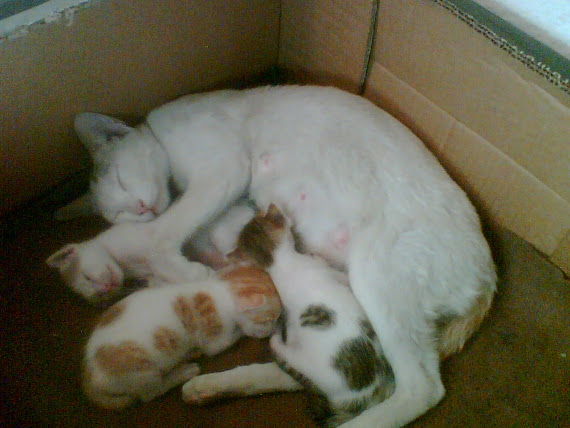
Minnu The Cat & Her Kittens Brownie, Goldie & Blackie
Someone with Nature

Syed Akbar in an island in river Godavari with Papikonda hills in the background
Recognition by World Vegetable Centre

Under the shade of Baobab tree

At Agha Khan Akademi in Kenya
Gateway to the Southern Hemisphere

Convention on Biodiversity

Syed Akbar at the 11th Conference of Parties to the United Nations Convention on Biological Diversity