By Syed Akbar
Hyderabad, May 9: Illiterate tribes like Chenchus, Yerukulas and Yanadis living deep in the jungles possess a mine of ethno-medicinal knowledge, most of which is not known to traditional Indian systems of
medicine like Ayurveda, Siddha and Unani.
A research study by teams from the city-based National Institute of Indian Medicinal History and Sri Venkateswara University in the Rapur forest division of Nellore district, has revealed that traditional
ethno-medicine is still practised by groups of tribals, who have no access to modern medicine.
The medicinal properties of plants claimed by tribals are quite different from the medicinal properties mentioned in traditional Indian systems of medicine. With forest wealth fast depleting, there's danger of losing
ethno-medicinal wealth of the country. Proper scientific evaluation of the claims of tribal communities will give a new meaning to the country's medicinal plants.
"Many of the claims revealed by the tribes are new in comparison to Ayurveda, Siddha and Unani. We have documented the herbs being used by the tribes and their medicinal properties as claimed by them. This will help us to study further on individual plants to find out whether they are of real medicinal value, and if so, in what dosage and in what form it should be taken," said GP Prasad, one of the researchers.
The teams, comprising M Neelima, G Sundarsanam, G Penchala Pratap and B Jyothi, found that the tribals living deep in the Rapur forest division have authentic information on medicinal values of the plant parts like leaves, fruits, flowers, seeds, stem bark, tubers and roots. They use as many as 61 species of plants as medicine in the form of paste, powder, juice, decoction and infusion in crude form with additives like ghee, sesame oil, cow urine, infant urine, cow milk and lemon.
The health issues for which these herbs are used include skin troubles, jaundice, rheumatism, burning micturation, fevers, intestinal worms, menstrual problems, cough, diabetes, asthma, dandruff, insomnia,
indigestion, constipation, cuts, wounds, sexual problems, fractures, ear-ache, eye diseases and scorpion and snake bites. Some of the plants are also used as antidote and as fish poison to kill fish in the ponds.
"Tribals have good therapeutically valuable information for different ailments. The study has brought to light of unknown utilisation of 61 species of plants," he added.
Showing posts with label Medicine. Show all posts
Showing posts with label Medicine. Show all posts
Wednesday, 11 May 2011


Wednesday, 6 April 2011
Ayurveda rasayanas are capable of fighting ageing and increasing longevity
Syed Akbar
Hyderabad: Rasyanas, mentioned in the ancient Ayurvedic texts, Charaka Samhita and Sushruta Samhita, are capable of fighting ageing and increasing longevity, according to a pioneering experiment on the common fruit fly, Drosophila.
Drosophila and human beings share 13,601 common genes and most of the experimental results obtained from the fruit fly can be extrapolated on man. Ayurveda doctors at the Government Ayurveda Medical College, Mysore, have proved that the life span of Drosophila can be extended by almost half through administration of Ayurvedic rasayana. Doctors from Uppsala University, Sweden, also collaborated in the work.
The life span of Drosophila melanogaster increased between 51 and 55 per cent when it was fed with a standard rasayana preparation, suitably adapted for insects.
A Drosophila fly normal lives for minimum of 40 days to maximum of 53 days. In the experiment, the life span of the fruit fly shot up to 81 days to 91 days. Every fruit fly fed with Ayurveda rasayana had an increased life span of minimum 28 days.
"Rasayana forms the seventh of eight subdivisions of Ayurveda's earliest extant text, Charaka Samhita. Sushruta also describes rasayanas as "reversing naturally occurring senility" (swabhava vyadhi nivarana) and so "preventing death" (marana nivarana), further indicating that rasayanas are considered "special herbal formulations" (vishishtaoushadhi chintaka) conceived through prolonged consideration of their components' detailed properties," Dr S Priyadarshini pointed out.
Drosophila is one of a small number of organisms favoured for human-related ageing research. Few chromosomes in a small genome, with large numbers of spontaneous and induced mutations, make it well-suited to such work. Interestingly, the human Xist gene and the analogous Drosophila Sxl gene both control sex determination, and may both be involved in regulating life span.
Ayurveda Rasayana tantra describes techniques providing multidimensional solutions to ageing, premature ageing, and their complications. Its rasayana division, also known as jarachikitsa, has been practised as long as Ayurveda has been recorded.
"We reason that if it could extend D. melanogaster's life span, the same formula with insect changes reversed out would be of similar benefit to humans. In reality, the experiment constitutes an in principle test of the whole subject of rasayana, in particular the validity of applying it to animal models like D. melanogaster," Dr Priyadarshini said.
The pioneering study has also revealed that Ayurvedic formulations can be tested on Drosophila before they are extrapolated on human beings. It has also opened new avenues to investigate Ayurvedic complex issues like synergy between components, and overall mechanisms of complex formulations.
Friday, 23 April 2010
Tiny nanotubes to deliver biomaterials like DNA and RNA for effective gene therapy
2010
Syed Akbar
Hyderabad, April 23: A group of city scientists has developed tiny nanotubes that could serve as next generation micro pills to deliver biomaterials like DNA and RNA for effective gene therapy.
Researchers at the Indian Institute of Chemical Technology and the Centre for Cellular and Molecular Biology have already patented this unique technology. The nanotubes developed from organic material, for the first time in the world, could be useful not only to deliver small regulatory RNA and DNA as therapeutic materials but also to optimise pill-like properties for orally ingested materials.
"This beautiful technology may help in making the next-generation micro pills to deliver biomaterials for effective gene therapy and novel cargoes for molecular diagnostics. It can also be used for mass delivery of therapeutic biomolecules via food in various animal populations for the improvement of animal husbandry," Dr Utpal Bhadra of CCMB told this correspondent.
The IICT-CCMB team comprising JS Yadav, MP Lavanya, PP Das,
Manika Pal Bhadra and Utpal Bhadra zeroed in on a special material for construction of nano tubes. They selected p-aminobenzoic acid
or PABA in short. This is a natural material that forms part of folic acid and the vitamin B complex present in the human liver. Since it is a natural non-protein amino acid, it has little side effects on animals or human beings. Moreover, PABA is also known to support folic acid production by intestinal bacteria.
The PABA nano tubes will also help in increase of PABA concentration in the intestine during oral ingestion, which might help intestinal bacteria to convert it into folic acids, and protect against strokes, cardiovascular diseases and even certain cancers. Therefore, ingestion of PABA nano tubes plays a dual role, directly as a delivery vehicle of therapeutic agents and indirectly by preventing different diseases as a therapeutic agent itself.
"These nano structures minimise many obstacles including absorption in body fluids, systemic spreading and the reduction of immunogenetic symptoms. The tubes also maintain their fluorescent activity for a long period of time and do not suffer from dissociation or decay of fluorescence," Dr Bhadra said.
The advantage of nano tubes is that they spontaneously adsorb onto the membrane and later accumulate within intracellular compartments.
Referring to the safety of the new technology, the team points out that in drosophila studies no difference in size or any abnormalities in their sexual behaviour were observed. The egg laying capacity of adult females for six consecutive days after hatching and the sex of hatched flies were counted. No significant difference was detected in egg laying capacity and male/female ratios in nano tube-fed females as compared to the wild type.
Sunday, 8 November 2009
Indian doctors: Hall of fame - India regains supremacy in the world of medicine
By Syed Akbar
The Indian tradition of medical excellence pre-dates the advent of writing. Dhanwantari, Sushruta and Charaka gave the knowledge of Ayurveda to the world. Ancient Indian medical theses include those on
internal medicine, ophthalmology, otorhinolaryngology, surgery, toxicology, psychiatry, paediatrics and the science of rejuvenation and fertility.
In ancient India, two main schools emerged - Atreya - of physicians and Dhanwantari - of surgeons. The earliest international scholars of medicine came to Indian Ayurvedic schools: Chinese, Greeks, Romans,
Egyptians, Afghanis Ayurvedic texts were translated into Arabic.
Paracelsus, the father of modern Western medicine, practised a system of medicine in 16th century Europe, which borrowed heavily from Ayurveda.
Such was the development and the trust of people in the efficacy of Indian system of medicine that a doctor is considered a divine incarnate. - Viadyo Narayano Hari.
It is an Indian legacy that flourishes till today with medicine men of Indian origin leading the field in innovation, public health and teaching.
The Indian tradition of medical excellence pre-dates the advent of writing. Dhanwantari, Sushruta and Charaka gave the knowledge of Ayurveda to the world. Ancient Indian medical theses include those on
internal medicine, ophthalmology, otorhinolaryngology, surgery, toxicology, psychiatry, paediatrics and the science of rejuvenation and fertility.
In ancient India, two main schools emerged - Atreya - of physicians and Dhanwantari - of surgeons. The earliest international scholars of medicine came to Indian Ayurvedic schools: Chinese, Greeks, Romans,
Egyptians, Afghanis Ayurvedic texts were translated into Arabic.
Paracelsus, the father of modern Western medicine, practised a system of medicine in 16th century Europe, which borrowed heavily from Ayurveda.
Such was the development and the trust of people in the efficacy of Indian system of medicine that a doctor is considered a divine incarnate. - Viadyo Narayano Hari.
It is an Indian legacy that flourishes till today with medicine men of Indian origin leading the field in innovation, public health and teaching.
Indian doctors: Hall of fame - Part 1: Dr Chittaranjan S Ranawat, knee surgeon
By Syed Akbar
Remember the orthopaedic surgeon, who had come down all the way from the USA in 2000 to operate upon then prime minister Atal Bihari Vajpayee? Meet Dr Chittaranjan S Ranawat, the world renowned orthopaedic surgeon, researcher, developer and inventor. He holds half a dozen patents for his technological inventions that had made knee replacement surgeries quite an easy task for surgeons everywhere.
Dr Ranawat hails from Sarwania in Madhya Pradesh. Last year he developed rotating platform flexion, which has been hailed as a major technological advancement in knee replacement surgeries. The product, made
from superior plastics, is ideal for non-obese people. It does not wear out easily and ensures implant stability.
"I am dedicated to research and development of new methods to diagnose and treat arthritis from all causes. My goal has been to improve existing total joint technology and the knowledge of the disease process," points out Dr Ranawat.

A clinical professor of orthopaedic surgery at Weill Medical College of Cornell University, Dr Ranawat also doubles up as the director of Ranawat Orthopaedic Center at Lenox Hill Hospital. His focus areas have
been total hip and knee replacement and primary and revision total joint surgery.
He established Ranawat Foundation in 1986 to carry on his research activity. He has punished 92 research works on hip, 89 works on knee and more than 90 research publications on other topics including hand, wrist, shoulder and cervical spine.
Explaining how his research has been helping patients relieve themselves of the knee pain, he says "one of our most recent projects involves pain reduction after joint replacement surgery using a series of intra-operative
injections into the soft tissue with selected medications to control post-operative pain."
Dr Ranawat also focuses on the use of MRI scans as a non-invasive tool to detect wear-induced implant failure. At present patients are exposed to the risk of radiation using X-rays and CT scans to detect the failure. "By studying the implants themselves, we hope to design the best possible hip and knee implant for maximum mobility, function and durability," he adds.
Remember the orthopaedic surgeon, who had come down all the way from the USA in 2000 to operate upon then prime minister Atal Bihari Vajpayee? Meet Dr Chittaranjan S Ranawat, the world renowned orthopaedic surgeon, researcher, developer and inventor. He holds half a dozen patents for his technological inventions that had made knee replacement surgeries quite an easy task for surgeons everywhere.
Dr Ranawat hails from Sarwania in Madhya Pradesh. Last year he developed rotating platform flexion, which has been hailed as a major technological advancement in knee replacement surgeries. The product, made
from superior plastics, is ideal for non-obese people. It does not wear out easily and ensures implant stability.
"I am dedicated to research and development of new methods to diagnose and treat arthritis from all causes. My goal has been to improve existing total joint technology and the knowledge of the disease process," points out Dr Ranawat.

been total hip and knee replacement and primary and revision total joint surgery.
He established Ranawat Foundation in 1986 to carry on his research activity. He has punished 92 research works on hip, 89 works on knee and more than 90 research publications on other topics including hand, wrist, shoulder and cervical spine.
Explaining how his research has been helping patients relieve themselves of the knee pain, he says "one of our most recent projects involves pain reduction after joint replacement surgery using a series of intra-operative
injections into the soft tissue with selected medications to control post-operative pain."
Dr Ranawat also focuses on the use of MRI scans as a non-invasive tool to detect wear-induced implant failure. At present patients are exposed to the risk of radiation using X-rays and CT scans to detect the failure. "By studying the implants themselves, we hope to design the best possible hip and knee implant for maximum mobility, function and durability," he adds.
Indian doctors: Hall of fame - Part 2: Dr Manjit S Bains, mesothelioma expert
By Syed Akbar
Millions of people all over the world suffer from a form of cancer called mesothelioma, and many of them look towards Dr Manjit S Bains as their Messiah. Mesothelioma is caused by exposure to asbestos and Dr Manjit Bains is a world authority from Memorial Sloan-Kettering Cancer Centre in New York, on this form of cancer.
A thoracic surgeon par excellence, Dr Manjit Bains is also famous for his clinical expertise in thoracic surgical oncology, lung cancer, oesophageal cancer, mediastinal tumours, pulmonary metastases, video-assisted thoracic surgery, pulmonary and upper gastrointestinal endoscopy, including laser endoscopy, and tracheobronchial and oesophageal stents.

"I am a medical graduate from All India Institute of Medical Sciences, New Delhi," he says with a bit of pride. After he settled down in the USA, he took up studies, surgeries and research on mesothelioma. Today he is credited with dozens of mesothelioma resources around the world. He has authored several books on cancer and successfully dealt with severely complicated kinds of thoracic cancers, earning accolades from leading research institutions and patients alike.
Dr Manjit Bains, who has completed four decades in the profession, has been included in the panel of about two dozen professional societies around the world. He has to his credit 150 research publications and books on cancers.
He has mastered the art of lung cancers, some of which requires removal of the entire lung along with partial removal of other organs. "We have been studying the resection and reconstruction of the chest wall," in cases of mesothelioma.
The pioneering research work carried out by him revealed that the use of a rigid prosthesis is possibly better but should only be done to patients who have gone through a rigorous selection process. He is also credited with research on the survival rate of cancer patients who are treated with pleurectomy (removal of outermost layer around the lung) rather than extrapleural pneumonectomy (removal of portions of lungs and outermost lung layer).
Millions of people all over the world suffer from a form of cancer called mesothelioma, and many of them look towards Dr Manjit S Bains as their Messiah. Mesothelioma is caused by exposure to asbestos and Dr Manjit Bains is a world authority from Memorial Sloan-Kettering Cancer Centre in New York, on this form of cancer.
A thoracic surgeon par excellence, Dr Manjit Bains is also famous for his clinical expertise in thoracic surgical oncology, lung cancer, oesophageal cancer, mediastinal tumours, pulmonary metastases, video-assisted thoracic surgery, pulmonary and upper gastrointestinal endoscopy, including laser endoscopy, and tracheobronchial and oesophageal stents.

Dr Manjit Bains, who has completed four decades in the profession, has been included in the panel of about two dozen professional societies around the world. He has to his credit 150 research publications and books on cancers.
He has mastered the art of lung cancers, some of which requires removal of the entire lung along with partial removal of other organs. "We have been studying the resection and reconstruction of the chest wall," in cases of mesothelioma.
The pioneering research work carried out by him revealed that the use of a rigid prosthesis is possibly better but should only be done to patients who have gone through a rigorous selection process. He is also credited with research on the survival rate of cancer patients who are treated with pleurectomy (removal of outermost layer around the lung) rather than extrapleural pneumonectomy (removal of portions of lungs and outermost lung layer).
Indian doctors: Hall of fame - Part 3: Dr V Shanta, cancer specialist, Adyar Cancer Institute
By Syed Akbar
Magsaysay awardee Dr V Shanta is hope personified for millions of cancer patients in the country. In the last five decades, this untiring crusader against cancer rekindled hope, joy and the will to live in patients.
As chairperson of the famous Adyar Cancer Institute in Chennai, Dr Shanta is credited for her pioneering research in oncology, and prevention and cure of cancer.
She is also a leader in popularising early cancer detection programme and has set up India's first hereditary cancer clinic. She also opened tobacco cessation clinic, after her research studies revealed that cancers of the mouth, throat, oesophagus, and lungs are quite high among men and those of the breast and cervix among women. One in five women in the world who suffer from cervical cancer is an Indian.

Noticing her specialisation in cancer, the World Health Organisation nominated her to its advisory committee. Inspired by her maternal uncle Dr Subrahmanyam Chandrasekhar and her grandfather’s brother Sir CV Raman, both Nobel laureates, Dr Shanta too up cancer research. A profound believer in "Supreme Power", she attributes her success and service to the "grace of God" and "faith in her mission".
Dr Shanta is known for her groundbreaking research on oral, cervical, and breast cancer and paediatric leukaemia. At 78, Dr Shanta is quite active and treats cancer patients, performing surgeries and carrying on the research. "There is much more to do," she says, even as she attends to her patients.
Magsaysay awardee Dr V Shanta is hope personified for millions of cancer patients in the country. In the last five decades, this untiring crusader against cancer rekindled hope, joy and the will to live in patients.
As chairperson of the famous Adyar Cancer Institute in Chennai, Dr Shanta is credited for her pioneering research in oncology, and prevention and cure of cancer.
She is also a leader in popularising early cancer detection programme and has set up India's first hereditary cancer clinic. She also opened tobacco cessation clinic, after her research studies revealed that cancers of the mouth, throat, oesophagus, and lungs are quite high among men and those of the breast and cervix among women. One in five women in the world who suffer from cervical cancer is an Indian.

Dr Shanta is known for her groundbreaking research on oral, cervical, and breast cancer and paediatric leukaemia. At 78, Dr Shanta is quite active and treats cancer patients, performing surgeries and carrying on the research. "There is much more to do," she says, even as she attends to her patients.
Indian doctors: Hall of fame - Part 4: Dr Mani Lal Bhaumik, excimer laser surgery
By Syed Akbar
If you are suffering from short- or long-sightedness and yet do not want to wear glasses or contact lenses, your eye doctor will suggest that you undergo excimer laser surgery. It is an innovative technology that eliminates the need for wearing external eye aids to correct vision defects.
Excimer laser is used the world over and millions of people have benefited from it. They no longer wear glasses or contact lenses. And the credit goes to our own Indian Dr Mani Lal Bhaumik, researcher,
physicist, philanthropist and author.

His excimer invention won him 15 patents and made him a billionaire. He is one of the few Indians listed in the Who’s Who in America and in the Who’s who in the World, as also in the American Men and Women in
Science.
He believes that the recipe of success lies in the indomitable will to do something. Dr Mani Lal discovered the world's first efficient excimer laser, which takes less than a minute to correct vision defects like short or
long sight. Reaching the summit of glory was not an easy task for this young Bengali, who had to walk six km barefoot to the nearest school.
Inventor Mani Lal has an author in him too. His book, "The Cosmic Detective" is the best-seller in its class. He believes that science and spirituality are just two faces of the same coin. "This coin is the unique human consciousness that allows us to perceive both ourselves and objective reality," he argues.
His latest book, Code Name God, also a best-seller, emphasizes that the chasm between science and spirituality can be bridged.
If you are suffering from short- or long-sightedness and yet do not want to wear glasses or contact lenses, your eye doctor will suggest that you undergo excimer laser surgery. It is an innovative technology that eliminates the need for wearing external eye aids to correct vision defects.
Excimer laser is used the world over and millions of people have benefited from it. They no longer wear glasses or contact lenses. And the credit goes to our own Indian Dr Mani Lal Bhaumik, researcher,
physicist, philanthropist and author.

Science.
He believes that the recipe of success lies in the indomitable will to do something. Dr Mani Lal discovered the world's first efficient excimer laser, which takes less than a minute to correct vision defects like short or
long sight. Reaching the summit of glory was not an easy task for this young Bengali, who had to walk six km barefoot to the nearest school.
Inventor Mani Lal has an author in him too. His book, "The Cosmic Detective" is the best-seller in its class. He believes that science and spirituality are just two faces of the same coin. "This coin is the unique human consciousness that allows us to perceive both ourselves and objective reality," he argues.
His latest book, Code Name God, also a best-seller, emphasizes that the chasm between science and spirituality can be bridged.
Indian doctors: Hall of fame - Part 5: Dr Naresh Kumar Trehan, cardiologist
By Syed Akbar
A pioneer in the field of coronary artery bypass surgery, Dr Naresh Kumar Trehan has performed about 50,000 open heart surgeries. Today he is regarded as the king of open heart surgeries, including end stages
cases, in India. His reputation extends beyond national boundaries to the United States of America and the United Kingdom.
Soft spoken and simple-looking Dr Naresh Trehan held important academic and clinical positions in the New York University Medical Centre, Bellevue Hospital, New York, and Veterans Administration Hospital, Manhattan, USA.

He is famous world-wide for perfecting the art of minimally invasive robotically controlled cardiac surgery. Dr Naresh Trehan has operated upon thousands of VVIPs and business tycoons. To him also goes the credit of performing more than 10,000 beating heart surgeries, which even expert doctors in the USA and the UK, think twice before doing it.
Hailing from Punjab, Dr Naresh Trehan feels that Punjabis are perhaps the best suited for cardiac operations. "We Punjabis have the power to withstand the trauma of heart surgery. It is a risky proposition," he says. Incidentally, Punjab is one of the three States in the country with high risk of heart ailments.
While many Indian doctors prefer to stay abroad for professional reasons, Dr Naresh Trehan returned to India in 1988, despite a successful career in United States. He started Escorts Heart Institute and Research Centre, which in a short span of time became an important landmark the world over in cardiac surgery and cardiology.
Dr Naresh Trehan shows keen interest in research and education. He has to his credit a number of research works presented at international medical meets in about a dozen countries.
A pioneer in the field of coronary artery bypass surgery, Dr Naresh Kumar Trehan has performed about 50,000 open heart surgeries. Today he is regarded as the king of open heart surgeries, including end stages
cases, in India. His reputation extends beyond national boundaries to the United States of America and the United Kingdom.
Soft spoken and simple-looking Dr Naresh Trehan held important academic and clinical positions in the New York University Medical Centre, Bellevue Hospital, New York, and Veterans Administration Hospital, Manhattan, USA.

Hailing from Punjab, Dr Naresh Trehan feels that Punjabis are perhaps the best suited for cardiac operations. "We Punjabis have the power to withstand the trauma of heart surgery. It is a risky proposition," he says. Incidentally, Punjab is one of the three States in the country with high risk of heart ailments.
While many Indian doctors prefer to stay abroad for professional reasons, Dr Naresh Trehan returned to India in 1988, despite a successful career in United States. He started Escorts Heart Institute and Research Centre, which in a short span of time became an important landmark the world over in cardiac surgery and cardiology.
Dr Naresh Trehan shows keen interest in research and education. He has to his credit a number of research works presented at international medical meets in about a dozen countries.
Indian doctors: Hall of fame - Part 6: Dr KM Cherian, cardiologist and transplant surgeon
By Syed Akbar
Dr KM Cherian is the first and only Indian doctor, whose name is engraved in one of the stones in Kos Island, Greece, the birth place of Hippocrates, the Father of Medicine. Dr Cherian’s life is a saga dedicated to the world of cardiology and he has several firsts to his credit.
"My entry into the profession is purely providential," he says and his achievements have been "ordained". Like all those who are at the summit, he does not think he is on the top of the field "except that I had the opportunity to perform several first cardiac surgeries and transplants in the country".

Always busy with his patients and surgeries, Dr Cherian wishes he had free time for other activities. This affable doctor from Chennai has to his credit the first successful coronary artery graft, mitral valve replacement for endomyocardial fibrosis, introduction of profound hypothermia and circulatory arrest for correction of cardiac defects in infants, and first internal mammary artery graft, in India.
Dr Cherian, who studied medicine in India, Australia, New Zealand and the US, also introduced cardioplegia for myocardial preservation in India and undertook transatrial repair of tetralogy of fallot, transatrial and repair of double outlet right ventricle. He also performed the first heart transplant, first bilateral lung transplant, first pediatric heart transplant, first auto transplant and first heart and lung transplant, in India after the Central government introduced legislation on brain death cases.
He disagrees that all Indians do brilliantly. "Unless those Indians, who have achieved are motivated, hard working and committed". Brilliance is not a birth right or a national asset as Einstein once said "Brilliance is 99 per cent perspiration and 1 per cent inspiration".
Dr KM Cherian is the first and only Indian doctor, whose name is engraved in one of the stones in Kos Island, Greece, the birth place of Hippocrates, the Father of Medicine. Dr Cherian’s life is a saga dedicated to the world of cardiology and he has several firsts to his credit.
"My entry into the profession is purely providential," he says and his achievements have been "ordained". Like all those who are at the summit, he does not think he is on the top of the field "except that I had the opportunity to perform several first cardiac surgeries and transplants in the country".

Dr Cherian, who studied medicine in India, Australia, New Zealand and the US, also introduced cardioplegia for myocardial preservation in India and undertook transatrial repair of tetralogy of fallot, transatrial and repair of double outlet right ventricle. He also performed the first heart transplant, first bilateral lung transplant, first pediatric heart transplant, first auto transplant and first heart and lung transplant, in India after the Central government introduced legislation on brain death cases.
He disagrees that all Indians do brilliantly. "Unless those Indians, who have achieved are motivated, hard working and committed". Brilliance is not a birth right or a national asset as Einstein once said "Brilliance is 99 per cent perspiration and 1 per cent inspiration".
Indian doctors: Hall of fame - Part 7: Dr Pradip Kumar Datta, FRCS teacher of doctors

By Syed Akbar
If thousands of doctors the world over have taken their first step on the career ladder of medicine, it’s thanks to Dr Pradip Kumar Datta. He is famous for his world renowned course in medicine which he launched in 1981. In recognition of his services to medical teaching, he has been awarded the Farquharson Award by the Royal College of Surgeons.
He conducts postgraduate surgical courses in the UK and India. And when he gets some spare time he goes salmon and trout fishing. Dr Pradip Datta was appointed as Consultant Surgeon, the top position that one can reach in National Health Service, UK.
Hailing from Visakhapatnam, he left India in 1967 to discover that it was difficult for Indian doctors to pass the Fellowship of the Royal College of Surgeons. He then decided to set up training for FRCS course and gained an international reputation for supporting students to develop the confidence they needed to impress examiners at the FRCS.
A humble Dr Pradip Datta, however, does not accept the fact that he has attained the highest pinnacle in the medical teaching profession. "I would never dream of ever saying or even thinking that I am the
best doctor in the field. That would be very arrogant, not to mention conceited".
Dr Pradip Datta, a general surgeon by profession, served as the honorary secretary of the Royal College of Surgeons of Edinburgh. Dr Datta does not benefit financially from his teaching as he gives donations and fees to charities. "I chose general surgery as my speciality as it gave me an opportunity to see patients with very
different conditions and to treat and operate on a wide range of surgical cases".
This doctor-teacher from Andhra Medical College in Visakhapatnam feels that Indians are doing so well because they are in general very hardworking and motivated. "This is not only in the field of medicine
but also in other spheres. This is true abroad as it is in India as well".
Indian doctors: Hall of fame - Part 8: Prof K Srinath Reddy, cardiologist and public health expert

By Syed Akbar
A clinical cardiologist and epidemiologist by training, Prof K Srinath Reddy is internationally renowned for his unstinting services to public health and rare career commitment to preventive cardiology.
Prof Srinath Reddy has several outstanding feats to his credit as a cardiologist and public health expert, but argues that unlike in competitive sports, one cannot ever claim to be on the top, in the field of medicine. Nevertheless, he agrees that "my work has won national and international recognition in the past 16 years".
Inspired by Dr Norman Bethune, a Canadian doctor who served in China, he decided to contribute lifelong, as a health professional, "to improve the lives of people and help to create a healthier India".
Prof Srinath Reddy graduated from Osmania Medical College, Hyderabad and later trained at AIIMS, Delhi. Before he took up the present task of presidentship of the Public Health Foundation of India, he headed
the cardiology department at AIIMS.
He has been involved in several major international and national research studies including the INTERSALT global study of blood pressure and electrolytes, on epidemiology of coronary heart disease and community control of rheumatic heart disease and on risk factors of myocardial infarction.
"A good doctor needs competence, commitment and conscientiousness in professional work while combining care, courtesy and compassion in dealing with patients and their families. I have tried to imbibe and apply these attributes in my work," says simple-looking Prof Srinath Reddy.
Always busy with his profession, he reads books, listen to music and watch old English and Hindi films whenever he gets "free" time. He has served on many WHO expert panels. He has also served as chair of the
scientific council on epidemiology of the World Heart Federation. He has more than 210 scientific publications. He was conferred Padma Bhushan. The Royal Society for the Promotion of Health, UK, conferred on him the award of the Queen Elizabeth Medal.
"Indians are quick learners usually," he says adding "but not always, apply themselves diligently to the completion of any task they take up". They also have the capacity for lateral thinking, which helps them to become effective problem solvers.
Indian doctors: Hall of fame - Part 9: Dr D Nageshwar Reddy, gastroenterologist

By Syed Akbar
When one thinks of gastroenterology, the first name that pops to mind is Dr D Nageshwar Reddy. From being just one of the many professors of gastroenterology two decades ago, Dr Nageshwar Reddy carved out a niche, through research, utmost patient care and dedication, in this area of medicine.
Today he is the best Indian doctor in gastroenterology and the most sought-after worldwide. When he gets free time, he reads books on philosophy, science and evolution.
"The centre of my universe is the patient," he says and it’s this single principle that has earned him name and fame, both at national and international level. "Only when we constantly think of ways to improve care of our patients and work hard at it, can we reach the top of any branch of medicine," he adds.
Being at the top in this select field, Dr Nageshwar Reddy feels that humility and compassion are two other characteristics that doctors require to excel in medicine. "Team work is very important," he points out.
Stating that it took about 15 years to reach the top in the field, Dr Nageshwar Reddy says he selected gastroenterology as the incidence of gastrointestinal diseases is very high in India.
He graduated from Kurnool Medical College in 1978 and obtained a PG degree in medicine from Madras Medical College in 1982 and specialisation in gastroenterology in 1984 from Post Graduate Institute of Medical Education and Research, Chandigarh.
A busy doctor he is, Dr Nageshwar Reddy and his team see over 200 outpatients and 250 inpatients. He is credited with a breakthrough in endoscopic treatment of gastrointestinal cancers, gallstones and pancreatitis.
He bagged a number of national and international awards which include Dr BC Roy Award for development of specialities, Padmasri, and the Master Endoscopist Award, the highest award in endoscopy, equivalent
to Nobel Prize in endoscopy.
He feels that Indians are doing so brilliantly because Indians are innately intelligent and willing to work hard, much harder than an average westerner.
Indian doctors: Hall of fame - Part 10: Dr Rangaswamy Srinivasan, Lasik co-inventor
By Syed Akbar
Dr Rangaswamy Srinivasan co-invented the process of LASIK surgery, a laser process that allows the removal of soft tissue from anywhere in the human body with a precision that was unknown before. He developed a technique called "Ablative Photo Decomposition " in 1981, not in a hospital, but at the IBM Research Centre.
He is a research physician who works on inventing techniques to improve not only surgical methods but also processes used in the making of computer chips. This inventor loves reading books on history, particularly
Indian history, and listens to music.

"When the potential of APD in surgery was announced by IBM in 1983, surgeons came to my lab to see what I could do to help their speciality. One of the first was an ophthalmic surgeon from Columbia University. Together we developed the surgical procedure which is today known as LASIK."
Dr Srinivasan, who obtained his early education in Chennai, is the first person of Indian origin to be inducted into the inventors hall of fame in Akron, USA for discovery of Lasik and yet he says, "it will be just a boast to
say I am the best doctor in this field".
"Indians are doing brilliantly everywhere in the world whenever and wherever they get the opportunity. The tragedy is that these people (including me) have to emigrate in order to find that opportunity. After my Ph. D., I did return to India and I did find a job at one of the leading government research centres.
But the pace of the work there and the red-tape not to mention the hierarchical arrangements were so discouraging that I left after just eight months in order to seek my opportunities abroad".
Dr Rangaswamy Srinivasan co-invented the process of LASIK surgery, a laser process that allows the removal of soft tissue from anywhere in the human body with a precision that was unknown before. He developed a technique called "Ablative Photo Decomposition " in 1981, not in a hospital, but at the IBM Research Centre.
He is a research physician who works on inventing techniques to improve not only surgical methods but also processes used in the making of computer chips. This inventor loves reading books on history, particularly
Indian history, and listens to music.

Dr Srinivasan, who obtained his early education in Chennai, is the first person of Indian origin to be inducted into the inventors hall of fame in Akron, USA for discovery of Lasik and yet he says, "it will be just a boast to
say I am the best doctor in this field".
"Indians are doing brilliantly everywhere in the world whenever and wherever they get the opportunity. The tragedy is that these people (including me) have to emigrate in order to find that opportunity. After my Ph. D., I did return to India and I did find a job at one of the leading government research centres.
But the pace of the work there and the red-tape not to mention the hierarchical arrangements were so discouraging that I left after just eight months in order to seek my opportunities abroad".
Indian doctors: Hall of fame - Part 11: Dr Santosh G Honavar, retinoblastoma specialist
By Syed Akbar
Retinoblastoma is a major eye cancer, which leads to blindness. Managing the problem requires a lot of expertise, patience and dedication. Dr Santosh GHonavar is a rare blend of a clinician and a scientist. The comprehensive multispecialty children’s eye cancer centre, which he established, is now recognised as one of the best in the world. He has contributed more than 125 research papers to various national and international magazines.
His outstanding work on retinoblastoma notwithstanding, Dr Honavar does not feel that he is on the top of the field. "The moment one assumes this, he has lost it!," he says, adding "like a duck in water, one has to
paddle hard to even stay at the same place in the field of medicine".

Dr Honavar loves music but says he has chosen ophthalmic plastic surgery and ocular oncology, because it provides all the excitement of being a surgeon, and also the sense of fulfilment of being able to restore the
patient’s appearance as in ophthalmic plastic surgery; and salvage life, eye and vision as in ocular oncology.
Simple looking Dr Honavar has made a mark of his own in the fields of tumours of the ocular surface, orbit, retinoblastoma, and paediatric lachrymal disorders. The worth of Dr Honavar’s scientific work can be gauged by his cumulative citation index of 617, H Index of 16 and G Index of 22. He is a recipient of Shanti Swarup Bhatnagar award.
He feels that Indians, specifically those who have received their initial medical education in India are doing well in medical specialities probably because of their extensive training background and exposure to a vast range of pathology. "We Indians fancy gadgets and techniques and tend to do very well in performing surgical procedures that the others have invented, may be even much better than the inventor, because of the vast volume that we have to hone our skills with."
Retinoblastoma is a major eye cancer, which leads to blindness. Managing the problem requires a lot of expertise, patience and dedication. Dr Santosh GHonavar is a rare blend of a clinician and a scientist. The comprehensive multispecialty children’s eye cancer centre, which he established, is now recognised as one of the best in the world. He has contributed more than 125 research papers to various national and international magazines.
His outstanding work on retinoblastoma notwithstanding, Dr Honavar does not feel that he is on the top of the field. "The moment one assumes this, he has lost it!," he says, adding "like a duck in water, one has to
paddle hard to even stay at the same place in the field of medicine".

patient’s appearance as in ophthalmic plastic surgery; and salvage life, eye and vision as in ocular oncology.
Simple looking Dr Honavar has made a mark of his own in the fields of tumours of the ocular surface, orbit, retinoblastoma, and paediatric lachrymal disorders. The worth of Dr Honavar’s scientific work can be gauged by his cumulative citation index of 617, H Index of 16 and G Index of 22. He is a recipient of Shanti Swarup Bhatnagar award.
He feels that Indians, specifically those who have received their initial medical education in India are doing well in medical specialities probably because of their extensive training background and exposure to a vast range of pathology. "We Indians fancy gadgets and techniques and tend to do very well in performing surgical procedures that the others have invented, may be even much better than the inventor, because of the vast volume that we have to hone our skills with."
Indian doctors: Hall of fame - Part 12: Prof Jatin P Shah, head and neck surgery expert
By Syed Akbar
Head and neck surgery is a highly specialised art of medicine. Given the most important and sensitive organs they contain, many doctors shudder at the very thought of specialising in it. But Professor Jatin P Shah feels quite at ease as he scalpels through the head and neck of his patients with 100 per cent success.
Today he is arguably the best Indian doctor and authority in the field of head and neck surgery in the West. But Prof Jatin Shah is full of humility when he refuses to accept it. "One should never consider as being on "top of the field" since it implies that further growth has stopped. I believe one should continue to strive to be at the top of the field throughout one’s active life" he points out.
That Prof Jatin Shah takes head and neck surgery with a passion is evident when he confides, "it is not work for me but it is simply joy and pleasure and it is my means of recreation and relaxation. Thus, it is my life and soul."

Prof Jatin Shah graduated from the medical college of MS University in Vadodara, and received his training in surgical oncology and head and neck surgery at Memorial Sloan Kettering Cancer Center. He is a national and international leader in the field of head and neck surgery. Ask him why he has chosen oncology (cancer), he says "I had also a personal reason for getting attracted to this field since I lost my father to lung cancer".
He founded The International Federation of Head and Neck Oncologic Societies, in 1986. He received many international awards including honorary fellowships from The Royal College of Surgeons of Edinburgh,
London and Australia. But he likes to share credit with his vast team, which includes expert cancer surgeons, specialist-scientists and paramedical staff.
Explaining why Indians excel outside, Prof Jatin Shah observes, "when we move to the more affluent western world, which offers an environment conducive to productivity, and creates a milieu for one to be creative and
productive, we seize the opportunity and excel". The combination of excellent education, outstanding work ethics and sheer hard work has led numerous Indians to perform brilliantly.
Prof Jatin Shah is a much sought-after speaker with visiting professorships in 32 countries including the United States, Canada, the United Kingdom, Japan and China. In recognition of his outstanding contributions, and world leadership in head and neck surgery, Memorial Sloan Kettering Cancer Center, has established "Jatin Shah Chair in Head and Neck Surgery and Oncology".
And what the Professor does when he is free? "Head and neck surgery is my pride and passion. Thus, it occupies my mind and my body."
Head and neck surgery is a highly specialised art of medicine. Given the most important and sensitive organs they contain, many doctors shudder at the very thought of specialising in it. But Professor Jatin P Shah feels quite at ease as he scalpels through the head and neck of his patients with 100 per cent success.
Today he is arguably the best Indian doctor and authority in the field of head and neck surgery in the West. But Prof Jatin Shah is full of humility when he refuses to accept it. "One should never consider as being on "top of the field" since it implies that further growth has stopped. I believe one should continue to strive to be at the top of the field throughout one’s active life" he points out.
That Prof Jatin Shah takes head and neck surgery with a passion is evident when he confides, "it is not work for me but it is simply joy and pleasure and it is my means of recreation and relaxation. Thus, it is my life and soul."

He founded The International Federation of Head and Neck Oncologic Societies, in 1986. He received many international awards including honorary fellowships from The Royal College of Surgeons of Edinburgh,
London and Australia. But he likes to share credit with his vast team, which includes expert cancer surgeons, specialist-scientists and paramedical staff.
Explaining why Indians excel outside, Prof Jatin Shah observes, "when we move to the more affluent western world, which offers an environment conducive to productivity, and creates a milieu for one to be creative and
productive, we seize the opportunity and excel". The combination of excellent education, outstanding work ethics and sheer hard work has led numerous Indians to perform brilliantly.
Prof Jatin Shah is a much sought-after speaker with visiting professorships in 32 countries including the United States, Canada, the United Kingdom, Japan and China. In recognition of his outstanding contributions, and world leadership in head and neck surgery, Memorial Sloan Kettering Cancer Center, has established "Jatin Shah Chair in Head and Neck Surgery and Oncology".
And what the Professor does when he is free? "Head and neck surgery is my pride and passion. Thus, it occupies my mind and my body."
Thursday, 11 December 2008
Metals in Ayurveda: Scientific evaluation and standardisation of herbal drugs

November 23, 2008
By Syed Akbar
Hyderabad, Nov 22: With the USA and European nations rejecting Ayurvedic drugs containing metals, the Central government has now embarked on a mega scientific mission to prove that metallic compounds in traditional Indian system of medicine are indeed helpful in fighting diseases.
Only Ayurveda system of medicine extensively utilises a variety of metals to treat certain health problems and boost immunity to fight diseases. But since there's no scientific evaluation of these drugs, developed nations have put a ban on them.
The Department of Science and Technology has entrusted the research, evaluation and standardisation work of Ayurvedic drugs containing metallic compounds to a number of scientific, research and pharma bodies across the country, including the city-based Indian Institute of Chemical Technology.
Ayurvedic medicines consist of ingredients of herbal, mineral, metallic and animal origin. While scientists in many countries are working on herbal products, no country is working on metallic products, which is an important strength area of Ayurveda. This is because, barring India, this knowledge does not exist anywhere else.
"Arsenic and mercury may be harmful. But when taken in minute quantities they have several health benefits. Ayurvedic drugs have been using these and other metals for centuries. What we need to prove is that these metallic compounds are beneficial to health in small quantities. We have taken up the evaluation and standardisation work.
Once our task is complete Ayurvedic drugs will get scientific backing," Dr J Madhusudhan Rao, director-grade scientist, IICT, told this correspondent. The DST believes that it is one area where India can make original contribution to the world and thus there's need for validation of claim of metallic products. "It is our heritage and needs to be subjected through well planned research in order to bring it to international fora as India’s unique contribution," he added.
The task before the scientific team is to identify different types of bhasmas and formulations for carrying out scientific studies with regard to the standardisation of raw materials, processes and finished products. It also involves chemical transformation, safety, efficacy evaluation, and validation through networking of the various institutions and industries having expertise in this area.
Ayurvedic drugs containing metals will be subjected to pre-clinical studies in animal models for pharmacological evaluation and toxicity,pharmacodynamic and tissue distribution studies. Later, the drugs will be used on human beings for clinical studies, though thousands of Indians have already been using them for centuries.
"It is essential to understand the chemical nature of the complexation taking place with metallic ions and organic phyto-constituents present in medicinal plants with which the metals are treated. Unless we understand the nature of the complex compounds formed during the processing of metals/minerals and medicinal plant material, it is not possible to evolve the quality parameters and understand the
mechanism of action of such important, potent and unique drugs of Ayurveda and Siddha," DST guidelines on Ayurveda research point out.
Saturday, 14 June 2008
The beneficial effects of pleiotropic drugs

By Syed Akbar
June 14, 2008
Hyderabad: Imagine a heart patient benefiting from a tablet he takes for relief from
nagging headache. The tablet not only gives him relief from headache, but also dilutes his blood to the extent of preventing further cardiac attacks.
Or a person suffering from some neurological problem finds that the wrinkles on her face have vanished and she looks younger, after a doctor prescribed her Botolinium Toxin, also known as Botox. The drug was originally intended for neurological conditions like stiff neck, but is now being increasingly used for cosmetology, uplifting face and as an anti-ageing drug that reduces wrinkles.
What more does a patient ask for? Take a cheap tablet for some known small problem and get relief from a major health problem yet to be discovered. Many drugs have side effects. Some of them are good and some of them are quite bad. Drugs with multiple effects, either beneficial or harmful, are called pleiotropic medicines. In short, pleiotropic effects of a drug are actions other than those for which the medicine was specifically developed. For instance, a medicine primarily meant for headache relief working against a cardiac problem without the knowledge of the patient.
Health experts say that pleiotropic effects may be harmful (toxicity), neutral (without any side-effects) or beneficial. Such drugs come cheap and are quite affordable even for the economically poorer sections. Take the case of the simple drug called aspirin. Everybody knows that it’s available off the counter in a medical shop and provides the much-needed relief from headaches and other body aches. Aspirin was originally used as an analgesic (pain reliever) agent by doctors across the world. In-depth research has shown that aspirin has benefits unimaginable, such as helping patients who suffered a stroke. It works in patients with a history of heart attack and peripheral vascular diseases.
Says senior physician Dr Aftab Ahmed, “the list of such drugs is quite long. The active agent in these drugs works in more than one ways. Thus it benefits the patient in several ways. Some drugs have negative effects too and it is quite common. But the drugs with multiple beneficial effects really work in favour of the patient. Beta blockers are generally prescribed for BP control but they are also beneficial for heart failure, angina, and post myocardial infarction patients.”
Doctors worldwide prescribe statins for patients with high levels of cholesterol. Statins reduce cholesterol. They also improve the functioning of blood vessels. Statins are potent inhibitors of cholesterol biosynthesis.
In clinical trials, statins are beneficial in the primary and secondary Prevention of coronary heart disease. However, the overall benefits observed with statins appear to be greater than what might be expected from changes in lipid levels alone, suggesting effects beyond cholesterol lowering.
Statins also involve improving endothelial function, enhancing the stability of atherosclerotic plaques, decreasing oxidative stress and inflammation, and inhibiting the thrombogenic response. They are also beneficial with their extra-hepatic effects on the immune system and bones.
“Sildenafil popularly known as Viagra is basically a drug for impotency or erectile dysfunction, later on it was found to be useful in new born children too,” says Dr Manoj Agarwal, senior cardiologist, Apollo Health City, Hyderabad. The drug can be used for patients who have primary pulmonary hypertension. There are lots of patients suffering from this disease, it has no permanent cure. This drug helps to improve their quality of life.
“In new born nitric oxide is required to decrease the resistance in lungs known as pulmonary vascular resistance. However nitric oxide is expensive and most patients here can’t afford. A few years ago Sildenafil, nitric oxide donor was found very useful in new born children with heart disease. These children have high pulmonary artery pressure and this drug helped in reducing the suffering of the children. That way a drug originally intended for some other purpose has become a boon for these children,” argues Dr Manoj.
Suffering from malaria? Doctors prescribe chloroquine. You get rid of the dangerous malaria thanks to chloroquine dose. And you are also relieved of your nagging joint pains, arthritis, amoebic liver abscess, photosensitive skin lesions, in case you are suffering from all or any one of them. Chloroquine has properties beyond curing malaria. Diabetics, particularly women, have much to cheer about metformin, the
commonly prescribed drug for diabetes. Metformin has got benefits for women with polycystic ovary disease associated with infertility and overweight.
Viagra is now increasingly prescribed for patients with pulmonary Hypertension. ACE inhibitors, originally for BP control, but is also useful for heart failure, diabetic kidney diseases and post MI Patients.
The next time one goes to a medical shop, one need not be shy of asking for Viagra. For, it has benefits other than those popularly known or advertised by drug manufacturers.
=======
Pleiotropic (drugs with multiple benefits):
=======
1. Aspirin: originally an analgesic; useful to stroke, heart attack, peripheral vascular disease patients.
2. Beta blockers: Generally prescribed for BP control; also beneficial for heart failure, angina, and post myocardial infarction patients.
3. Statins: reduce cholesterol; also improve the functioning of blood vessels.
4. Chloroquine: anti-malarial drug; used for joint pains, arthritis, amoebic liver abscess, photosensitive skin lesions etc.
5. Botolinium Toxin or Botox: neurological conditions like stiff neck; beneficial for cosmetology, uplifting face, as an anti ageing drug, reduces wrinkles.
6. Metformin: anti-diabetes; benefits for women with polycystic ovary disease associated with infertility and overweight.
7. Viagra: erectile dysfunction; used for patients with pulmonary hypertension; this reduces pulmonary hypertension and symptoms associated with it.
8. ACE inhibitors: BP control; also useful for heart failure, diabetic kidney diseases, post MI patients etc.
Monday, 7 April 2008
Medical Miracle: Repaired kidneys the new hope

April 7, 2008
By Syed Akbar
A group of Japanese doctors has been removing cancerous kidneys from patients, repairing them on the surgical table and then transplanting them in people, whose kidneys have stopped functioning. This is a medical miracle as the diseased kidneys, which otherwise find their way in hospital surgical wastes, have been saving the lives of kidney-failure patients.
And Indian doctors say this Japanese medical practice could be replicated in the country to meet the acute shortage of donor kidneys. India has one of the stringent organ transplantation Rules and cadaver transplantation is still seen as a taboo here. But doctors say it will take some time for Indian health experts to make the Japanese practice an Indian reality.
"Kidney repair is quite possible and 'repaired" kidney can be used for transplant. From oncology perspective, if a cancer kidney is to be used for transplant, the tumour should be small, less than 4 cms. If the cancer size is big, it makes it impossible for transplantation," says Dr Vijay Anand P Reddy, director of Apollo Cancer Hospital.
But there's a warning attached to the repaired kidney transplantation. The tumour may recur in the rest of the kidney.
Dr Shiro Fujita of the Department of Urology, Uwajima Tokushukai Hospital, Ehime, Japan, one of the pioneers of "kidney repair" technology, however allays the fears of the Indian doctors and patients. Says Dr Shiro, "graft survival rate of restored kidney transplantation appears to be comparable to that of deceased kidney transplant when donor age and multiple previous transplants are taken into account. As far as donors/patients and recipients understand the risks and benefits, restored kidneys will be a last resort, a novel source of renal allografts in countries where the deceased donor is scarce".
Dr Shiro and his team obtained between January 1991 and September 2006, 42 kidneys from 38 patients. The lesions were removed and repaired outside (ex vivo), then transplanted.
"One, five and 10-year patient survival rates of restored transplant patients were 92.9 per cent, 79.3 per cent and 63.8 per cent, respectively. The graft survival rates of restored kidney transplant patients were 78.6 per cent, 51.8 per cent and 42.7 per cent, respectively for these years. There were no recurrence of small renal cell carcinomas.
There was one recurrence of ureteral cancer in the transplanted kidney 15 months after operation," Dr Shiro told this correspondent.
Dr Ch Subba Rao, head of the department of urology, King George Hospital, Visakhapatnam, agrees with Dr Shiro. He says repaired kidneys are possible
in certain cases in India too. "It may prove to be helpful in a state of organ shortage, but the disadvantage is the possibility of donor disease recurrence. It is going to bring down the cost of kidney transplantation."
"Because of the grave shortage of deceased kidney allografts in Japan, we have embarked on a new source of organs; restored kidneys from living patients," Dr Shiro said.
Senior urologists like Dr V Raja Gopal, however, feel that the Japanese technology cannot be replicated in India. "It is very difficult to replicate the method in a country like India. It is very risky and is associated with a lot of complications in the kidney transplant recipient.
It will be much more expensive with high risks involved. This kind of work reported from Japan has not been reproduced elsewhere in the world. In a country like India, it is not going to be answer to organ shortage," he argues.
The Japanese technology is not cost effective, points out nephrologist Dr T Ravi Raju. "Since kidney repair and transplantation are done together. Both have advantages and disadvantages. It is not cost effective". The team led by Dr Shiro has opened a sort of debate among Indian doctors on the need to introduce such a system in India where the waiting list for kidney donation is quite high.
"Urologists encounter not only patients in need of renal transplantation, but also patients who need nephrectomies. This is because we came up with the idea of using kidneys destined to be discarded to those in need of renal transplantation. Instead of autotransplantion of kidneys with aneurysms or small renal cell carcinomas after back table repair, we transplanted the kidneys into third party recipients as an innovative practice," Dr Shiro said.
Monday, 10 March 2008
Ayurveda, Siddha, Unani, Homoeopathy: Just don't dump alternative medicine

March 10, 2008
By Syed Akbar
Hyderabad, March 9: Complementary and alternative medicine plays its own role in controlling diseases and keeping the nation healthy. One should not dub these alternative systems of medicine as "fake" or "unscientific" without making a proper scientific study and assessment of their role in disease treatment. The importance of complementary and alternative medicine more popularly known as CAM in the West is
growing by the day as more and more patients are showing interest in it.
Health experts in the city are of the view that "when so many people use alternative treatments and derive benefit, it is not correct to lump them all together and throw them out".
But what is needed is that CAM should be studied in a proper scientific manner to know how exactly the alternative system of medicine works. Once such a scientific basis is established no one will ever dare to dub CAM as useless, they point out.
Not only in India but also in the USA and the UK, CAM is increasingly becoming popular. If statistics are to be believed more number of US and UK citizens are adopting CAM than Indians (percentage wise), where the CAM actually had its origin. The more popular CAM systems in India are Ayurveda, Unani and Siddha, besides
Homoeopathy.
On the other hand, CAM in the West parlance comprises acupuncture, Ayurvedic medicine and Homoeopathy or any diverse group of treatments, ranging from symptomatic interventions to be used in conjunction with allopathic therapies. Interestingly more and more patients are looking towards CAM to avoid chemotherapy and surgical procedures. Even taking a specific dietary supplement to lower blood
pressure or blood lipid concentrations also forms of CAM.
Studies reveal that nearly 33 per cent of patients in the USA use CAM therapy in conjunction with allopathy. For patients in the West, leading CAM therapies include natural products, meditation, chiropractic and massage.
"Symptoms most commonly treated with CAM therapies are musculoskeletal, respiratory and psychological symptoms," experts say.
Unfortunately, CAM therapies are generally not covered by medical insurance companies. Only a select few CAM treatment procedures fall under the purview of mediclaim policies. Despite being not covered under mediclaim, CAM therapies are increasingly becoming popular as patients are willing to pay from their pocket to keep themselves healthy and sound.
The major problem with CAM, as Dr Douglas Kamerow, former US assistant surgeon-general, says is the nature of CAM treatment. "They can be hard to quantify and hard to specify, and often they do not lend themselves to stand research techniques such a placebo controlled trials. I think a sensible approach is for doctors to inquire of patients what non-traditional treatments they are using, both for conditions that
the doctor knows about and is treating and for others that have not been dealt with. This will at least allow discussion and investigation of possible adverse interactions," he says.
Moreover, doctors should discuss truly complementary symptomatic CAM treatments for chronic pain, allergies or the like so that their scientific basis can be investigated and understood by the patient and the doctor, if possible. Alternative treatments for serious or life threatening diseases such as cancer, doctors should assess the scientific evidence for the treatment and try to understand the range of benefit the patient expects to receive from it, Dr Douglas suggests.
Subscribe to:
Posts (Atom)
Mother's Care
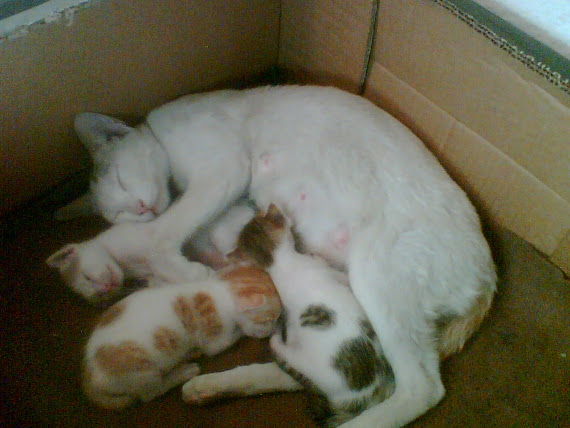
Minnu The Cat & Her Kittens Brownie, Goldie & Blackie
Someone with Nature

Syed Akbar in an island in river Godavari with Papikonda hills in the background
Recognition by World Vegetable Centre

Under the shade of Baobab tree

At Agha Khan Akademi in Kenya
Gateway to the Southern Hemisphere

Convention on Biodiversity

Syed Akbar at the 11th Conference of Parties to the United Nations Convention on Biological Diversity