Friday, 10 February 2012

Mission Control Centre - Net Centric Operations for Ballistic Missiles


By Syed Akbar
The Mission Control Centre  for the AAD interceptor trial held on 10th February 2012 was deployed in Master-Slave configuration at DRDO Hyderabad and Wheeler Island, Orissa to ensure high availability with built in fault tolerance at each location.
The Mission Control Centre of the Indian BMD programme is one of the most advanced, automated net-centric Command and Control systems in the world.
The Master MCC located more than a thousand kilometer away at Hyderabad from the Missile test range, received the target data in real time from multiple weapon system radars.  The complete Air Situation Picture during the BMD trial was provided to the MCC commander using advanced data fusion and target classification techniques.
After the classification of the target as an enemy Ballistic missile, Mission Control Centre issued engagement orders to the AAD Launch Centre located at Wheeler island in Dhamra.
The complete engagement sequence from target detection to destruction was controlled by Mission Control Centre in  net-centric mode of operation.  The interceptor missile lifted off from Wheeler island destroying the target at an altitude of 15 km.
The AAD Trial has successfully demonstrated complete functionality  in deployment configuration of Mission Control Centre for the Ballistic Missile Defence Programme.

India successfully tests AAD-05, joins select group of nations in ballistic missile technology: Missile hits targets 15 km high in the sky


By Syed Akbar
DRDO air defence missile AAD-05 has successfully hit ballistic missile and destroys the ballistic missile at a height of 15 km off the coast of Orissa near the wheelers island.

A modified Prithvi missile mimicking the ballistic missile was launched at 1010 hrs on Friday from ITR Chandipur. Radars located at deferent locations have tracked incoming ballistic missile. Interceptor missile was completely ready to take off at Wheelers Island.

Guidance computers have continuously computed the trajectory of ballistic missile and launched AAD-05 interceptor missile at a precisely calculated time. AAD-05 interceptor missile initially guided by the inertial navigation system with the target trajectory continuously updated by the radar, the on board guidance computer guided the AAD-05 interceptor missile towards the target missile.

The onboard radio frequency seeker identified the target missile and guided the AAD-05 interceptor missile close to the target missile and hit the target missile directly and destroyed it.  warhead also exploded and destroyed the target missile into pieces.

Radar and EOTS systems have tracked the missile and also recorded the fragments of target missile falling into the Bay of Bengal. It is one of the finest missions where the interceptor has hit the incoming ballistic missile directly and destroyed at a 15 km altitude. India has joined a very few advanced countries, who have these ballistic missile defence capabilities.

India is the fifth nation to have these capabilities in the world. The mission was carried out in the final deliverable user configuration mode.

Scientific advisor to Defence Minister Dr VK Saraswat reviewed the total configuration and mission and also witnessed the launch.  Avinash Chander, chief controller, R &D (MSS), and P Venugopalan, director DRDL, carried out the flight readiness review of both the target missile and interceptor missile.

DS Reddy, programme director air defence system, alongwith his team carried out all the preparations for the launch successfully. SP Dash director ITR, Dr SK Chaudhuri. Director, RCI, and Satish Kumar, director, SPIC,  and other top DRDO scientists were present during the mission. The mission was also witnessed by the senior officials of tri-services.

Wednesday, 8 February 2012

The troubling factor: Extra drug resistant tuberculosis

By Syed Akbar
Hyderabad: The renewed fight against tuberculosis in the country
has paid rich dividends with the incidence of the killer disease coming down
by appreciable levels.
But what is worrying health experts and planners is the explosion of drug-
resistant tuberculosis fuelled by HIV/AIDS. Andhra Pradesh, with the largest
number of HIV/AIDS cases in the country, is now more vulnerable to drug-
resistant TB. Incidentally, the State too has a large number of TB patients.
India has one of the largest number of TB patients accounting for
one-fifth of
all the TB cases in the world and the emergence of drug-resistant TB strains
has become a major challenge to medical doctors and scientists alike.
Strains of extremely drug-resistant tuberculosis or XDR-TB have now been
found in 28 countries including India. The death rate for people co-infected
with HIV and XDR-TB is around 85 per cent while for normal TB patients is
less than 10 per cent.
According to World Health Organisation, India continues to be a global TB
hot spot, despite reduction in the incidence in the country. In India
every one
minute a person afflicted by TB dies. The WHO observes that HIV and drug-
resistant TB are threatening to reverse the gains made in TB control over the
last few years. A majority of newly diagnosed TB
patients have developed resistance to first-line anti-TB drugs.
The Central government launched last year a new strategy to stop TB and
achieve reversal of the epidemic by 2015. "The new strategy while building
on the previous DOTS strategy to control TB, includes additional
interventions to meet evolving challenges such as HIV associated TB,
emerging drug resistance and enhance the uptake of services by the
community at large," a senior health official pointed out.
The death rates due to tuberculosis have come down to just four per cent
because of strict implementation of DOTS in different parts of India
including Andhra Pradesh where TB is largely prevalent. While the death rate
in patients who do not undergo DOTS is a whopping 29 per cent, those who
are treated by DOTS are less susceptible with just four per cent mortality.
Where DOTS is not used, infectious patients are seven times more likely to
die from the disease.
Union Ministry of Health and Family Welfare records point out that more
than three lakh children are forced to leave school every year because their
parents are TB patients. More than a lakh women with TB are rejected by
their families due to social stigma attached to the disease. The economic
cost
of tuberculosis in the country is about Rs 8,000 crore a year, i.e. had the
disease been controlled, India would have saved that much amount.

A space odyssey: The importance of recycling of body fluids out there in the Space

By Syed Akbar


Year 2020. A batch of space tourists, many of them from India, sips water
from special bottles after an hour of hard
exercise out in the space. There's nothing special about this bottled
water, except that it has been treated after
reclaiming from sweat, urine and breath.
The space tourists do not feel the common "yuck factor" for the simple
reason that they have already over come it,
after been used to drinking such recycled or reclaimed sewage water back
home down on the Earth. Yes, drinking
recycled sewage water will be the common norm in the next two decades with
scientists predicting acute shortage of
water because of climate changes and over exploitation of under ground water.
While the National Aeronautics and Space Administration of the United
States is busy researching on a group of 50
volunteers on the psychological, chemical and biological reactions to
consumption of water reclaimed from sewage
including toilets, the European Space Agency is preparing its scientists
on the Antarctica expedition to utilise
recycled sewage at its Concordia research station. ESA is aiming at a Mars
mission by 2030 and Concordia has
become famous for water recycling experiments. NASA volunteers often
"borrow" urine from others and drink it
after putting it through state-of-the-art treatment processes, which
eliminate all the human wastes contained in urine.
The laboratory tests of NASA and ESA apart, advanced nations like
Singapore, Australia and the USA have taken a
step forward in recycling of sewage and toilet water. They have already
been supplying, though in limited quantities,
former sewage to their citizens. Many nations in the drought-hit Africa
have taken up the project with the assistance
of the World Health Organisation and the United States. Singapore mixes
one per cent of treated sewage water with
99 per cent of natural water to reduce the psychological disgust among its
citizens. But some Australian cities have
taken up a massive advertisement campaign to "sensitise" the residents.
And back in India, we have been indirectly consuming treated sewage water
for many years without any
psychological barriers. Most of the rivers in the country are polluted
with human waste and industrial effluents and
crores of people living downstream of cities like New Delhi, Patna,
Allahabad, Nashik, Rajahmundry, Hyderabad
and Vijayawada drink water polluted by the residents. The Musi river
empties into the river Krishna near Suryapet in
Nalgonda carrying the treated sewage from Hyderabad. The Vijayawada
Municipal Corporation has set up half a
dozen such treatment plants to let out treated sewage into the three
irrigation canals that serve as drinking water
sources for lakhs of people downstream. Vijayawada discharges 66 millions
litres of sewage everyday from 31
outlets into drinking water bodies while in the case of Hyderabad it pumps
more than 300 million litres per day into
the Musi river through 18 outlets.
Even Hyderabadis drink water from Manjira and Krishna that had come out of
at least half a dozen people living
upstream of these rivers.
Though reclaimed sewage water has not yet been used for drinking in India,
several civic bodies and industrial
houses are utilising it for watering plants and lawns. A few hotels in
Hyderabad have been using the reclaimed water
for watering ornamental plants while the Municipal Corporation of
Hyderabad utilises it for its avenue plantation on
important roads and gardens.
Big industrial houses like Madras Fertilisers and Chennai Petroleum
purchase waste water from Chennai Metro,
recycle it and use the "purified" water in their cooling plants. Arvind
Mills, Rashtriya Chemicals and Fertilisers,
Kanoria Chemicals and Maruti Udyog are also known to use the recycled
water for purposes other than drinking.

========
The Need
========

The question arises as to why we should go in for treated sewage and
toilet water for drinking when we have
plentiful water in reservoirs, rivers and lakes? Water management experts
argue that the quantity of water that
appears plentiful as of now may not be sufficient to meet the future needs
of the ever-growing human population.
The quantum of water is constant and this means water cannot be created
afresh. One has to recycle the existing
available water sources to meet the increased demand. Recycling sewage and
toilet water is the easiest way to
reclaim water though the cost involved is a bit high. Several civic bodies
in the US and Australia and Singapore
government supply reclaimed water at a highly subsidised rate to encourage
people to go for it. The Singapore
government, in fact, has been taking tourists to many of its recycling
plants to in a bid to create awareness on the
importance of water conservation.
"Soon water availability may be what will differentiate the haves from the
have-nots," says H Subramaniam, water
management expert and vice-president of EverythingAboutWater. "By 2025,
India will be a water-stressed country
with a water availability between 1000 and 1700 cubic metres per person
per year. Future economic and social
development is highly dependent on the availability of suitable water. The
possibility of a third world war resulting
from water-related conflict is very real. Increasingly, water is seen a
strategic resource - one to be used with caution
and managed with care," observes Subrahmaniam.
Official data and available statistics support the argument of
Subrahmaniam. The total precipitation including
snowfall over India is 4000 billion cubic metres and of this the fresh
water available for use is 1869 billion cubic
metres. This includes the replenishable ground water. Topological factors
further bring down the actual availability
of water from 1869 billion cubic metres to just 1122 billion cubic metres,
including 690 billion cubic metres of
surface water. A clear 80 per cent of this actual availability goes into
farming leaving just 20 per cent for drinking for
1.02 billion people. India's projected population by 2025 is 1.39 billion.
The country will face an acute shortage of
water in such a scenario and it will have no option but to depend on
recycled sewage water for drinking in future.
Moreover, the per capita availability of water in the country has come
down from 5277 cubic metres per person per
year in 1955 to 1970 cubic metres in 2007. By 2025, this will further go
down to anywhere between 1000 cubic
metres to 1700 cubic metres per person per year.

---------------
Purity Factor
---------------

If one sets aside the psychological barriers, the water reclaimed from
sewage and toilets is as pure as treated potable
water and in some cases purer than the bottled mineral water. Several
studies by the World Health Organisation,
scientific agencies in the US, Japan, the UK and Australia have proved
beyond doubt that treated recycled water is
perfectly fit for drinking. Scientists say there’s no scientific or health
reason that recycled waste water can’t be safely
used as part of drinking water supplies if treated properly.
Those who participated in several ‘taste and tell’ surveys reveal that
they can’t tell the difference between tap water,
bottled water and recycled water. Those in favour of recycled water argue
that it is so pure it could be used for
hospital purposes such as kidney dialysis.
Research by University of New South Wales showed that water contaminated
by pharma residues treated through
reverse osmosis system had no or nominal traces of ethinylestradiol and
paracetamol. Prior to the treatment, the
water contained 1000 ppm of these residues.
However, some experts fear that, however strict the filtration norms may
be, still some pharmaceutical residues make
way into the treated sewage and toilet water posing a health hazard to
those who drink it.
"We should ensure that the treated water is free of harmful germs," points
out Dr B Ravishankar, senior medical
gastroenterologist at Yashoda Hospital, Secunderabad.
"Psychological reasons are also important. Where usage of recycled water
is must, then we have to ensure that the
micro-organisms like E coli and others should be within the limits to make
it fit for human consumption. Otherwise,
it opens the doors to a host of infectious diseases," warns Dr Ravishankar.
The question of purity of recycled water for drinking will continue to be
debated in India as Indian toilets are said to
be dirtier than those in other countries particularly in Singapore,
Australia, the UK and the US. According to Dr
Vijay Punjabi, president of the Indian Medical Association (Maharashtra),
most Indians are unaware and ignorant
about the fact that more than 80 species of germs have been found lurking
in visibly clean toilets. "Most germs stay
stuck to the toilet bowl for over a year," he says quoting a study by
Hindustan Unilever India Limited. There's every
likelihood of these germs making way into the recycled water if the
treatment is not conducted properly.

---------------------
Treatment Process
---------------------
What exactly happens to urine, sweat, perspiration and sewage water once
it undergoes treatment? The result is water
sans impurities. Scientists are simply duplicating the Nature when they go
in for recycling of waste water for
drinking purpose. In nature, water from sweat, perspiration, open
defecation and urine goes up into the sky through
evaporation and later comes down as rain. Many of us consider rain water
as pure and do not hesitate to take a sip,
get drenched or dig into hailstones.
Water experts are now looking forward to membrane bioreactor process as
the future solution to recycling problems.
It is being projected as the future for waste water treatment. It combines
clarification, aeration and filtration in a
single stage to ensure pure water.
Other simple methods involve letting out the treated water into rivers,
streams, lakes and tanks allowing it to be
mixed with the natural water. Later this water is purified and supplied to
citizens for drinking purposes. While this is
the natural way to solve the "yuck factor", there are other proven methods
too like distillation, freezing, reverse
osmosis, electrodialysis or ion exchange. Water is pumped through fine
membranes to remove impurities and later
treated with ultra violet radiation to kill the harmful germs.
But many countries around the world are going in for what they call
indirect potable reuse. Singapore has already
adopted this method i.e. mixing a part of treated water with existing
drinking water storage bodies that later become
part of citizens' daily drinking supplies.
NASA plans to utilise its space technology on Earth to supply fresh water
to countries that are hit by perennial
drought seasons. Such recycling will be of immense use during natural
calamities like the tsunami that hit the Indian
ocean in December 2004.
Senior physicist B Raja Rao points out that sewage water could be recycled
and used and reused for about a dozen
times. "Beyond it, the water quality becomes quite bad and those sensitive
or allergic will report health problems.
The best way is to mix the treated sewage water with natural water bodies
to enhance the taste and quality," he feels.
But there are health experts like Dr GR Srinivas Rao who argue that for a
country like India which has been endowed
with natural sources of water, recycled water for drinking is not a good
idea.
"The countries, in which recycled water is used, follow stringent
purification process involving seven stages of
purification. This may not be essential in India as we have sufficient
drinking water resources. Also it may not be
viable to follow the stringent purification process, as any small loophole
somewhere can lead to a catastrophe with
diseases like gastro-enteritis, viral borne diseases like typhoid, polio,
cholera etc. spreading and assuming epidemic
proportions," says Srinivas Rao.

When bright light makes you blind: The pathetic tale of people suffering from photophobia


By Syed Akbar
Five-year-old Asma Sultana has a pathetic tale to tell. Like her two elder sisters Rehana Sultana (6) and Najma 
Sultana (7), she can't tolerate light. Bright light makes her virtually blind. The three girls were diagnosed by doctors 
at LV Prasad Eye Institute in Hyderabad as suffering from a strange eye problem called cone dystrophy.
Their father, a daily labourer, deserted the girls after he noticed that the eye defect could not be rectified. The girls' 
mother took care of them and admitted in a local government school. But soon the problems began for the girls as 
they could not see the black board or move freely in the open.
The mother then took the girls to LV Prasad Eye Institute where doctors prescribed some simple techniques to 
reduce the problem. The girls now have an improved vision and play with other children. The doctors helped the 
girls overcome the defect by advising sunglasses. The girls were given absorptive or tinted lenses that reduce glare. 
They were also advised to wear hat for shade from sunlight.
"There is no permanent treatment or cure to photophobia but better eye management and eye care techniques will 
reduce the trouble. Lubricant eye drops will also help. Patients find it difficult to drive during night because of 
headlights glare. Even during the day time they feel uncomfortable in the sunlight," says senior ophthalmologist Dr 
Sreekumar Reddy.
The problem with these three girls was that they are extremely sensitive to light and lower their gaze while walking. 
They squint and blink at the slightest glare. Cone dystrophy in their eyes has led to this rare condition called 
photophobia or hyper sensitivity to light.
Andhra Pradesh has thousands of children and adults with photophobia and the number is increasing with the each 
passing year. Neglect of ophthalmic care by parents in case of young children is said to be one of the causes for low 
vision coupled with sensitivity of light. As many as five crore people suffer from the low vision problem in the 
country and quite a considerable number of them complains of photophobia.
Though there are no official statistics on the number of photophobia patients in the country, the problem is quite 
common in albinos or "moon-children" and those with low vision. People who suffer from various eye diseases like 
ocular albinism, cataract, retinitis pigmentosa and diabetic retinopathy also complain of sensitivity to light like these 
girls. "For a clear image to appear on the retina a clear medium is needed. In case of opacity in the eye the 
intraocular light gets scattered bringing down the vision levels. Such eyes become extremely sensitive to light and 
glare. People with photophobia see glare in light that appears normal for healthy people," says ophthalmologist Dr 
Altaf Akbar.
Eyecare specialists suggest that coloured lenses with specific tints to  restrict different wavelengths of light will do 
wonders. The patient may choose from a wide range of colours that suit his or her eyes.
Filters, that come in different tints at various levels of absorption and different cut-off points, provide contrast 
enhancement and help in light adaptation. Corning photochromic filters are also useful since short wavelength light 
has been shown to cause hazy vision, reduced contrast and discomfort. The photochromic filters filtering out blue 
light in the visible portion of the spectrum, at the wavelengths that create problems for the photophobic patients. 
They are specially designed to filter short wavelength light.
Some ophthalmologists are of the view that ultra violet shields (of blue spectrum) provide protection for 100 per cent 
UV and visible light. The filter in the shields eliminates near infrared 100 per cent UV and provides visible light 
protection.
For those who find it a problem while reading because of reflection from white pages may go in for typoscope (a 
black, non-reflective plastic card with a rectangle cut out of it).
A hat with a wide brim or a sun visor can help cut down glare and facilitate mobility outdoors.
When photophobic patients move between places of different lighting levels (say from sunlight to a closed room or 
vice versa), doctors suggest that they pause a while, take off or put on the sunglasses depending whether they are 
moving in or out of sunlight. This allows their eyes to adjust without causing any visual discomfort.

Word Of The Day - Improve Your Knowledge

Word of the Day

Article of the Day

This Day in History

Today's Birthday

In the News

Quote of the Day

Spelling Bee
difficulty level:
score: -
please wait...
 
spell the word:

Match Up
Match each word in the left column with its synonym on the right. When finished, click Answer to see the results. Good luck!


Hangman

This Day In History

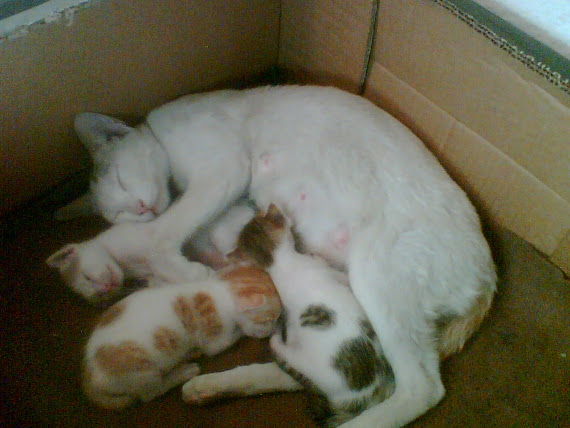
Mother's Care

Mother's Care
Minnu The Cat & Her Kittens Brownie, Goldie & Blackie

Someone with Nature

Someone with Nature
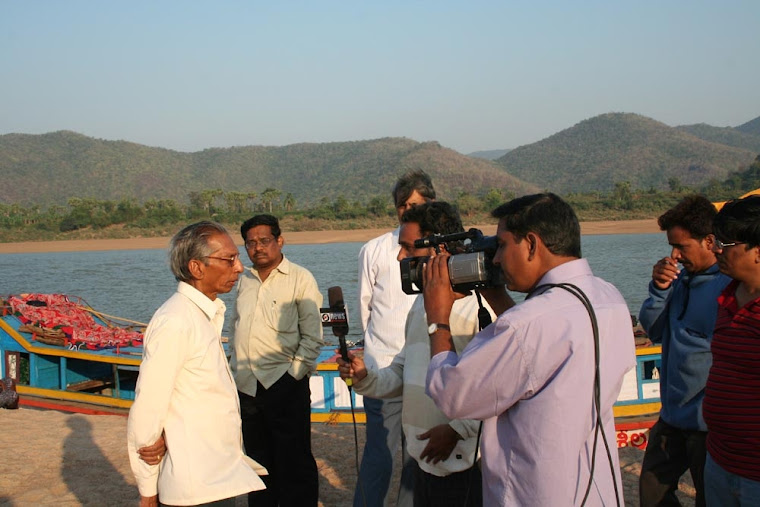
Syed Akbar in an island in river Godavari with Papikonda hills in the background

Recognition by World Vegetable Centre

Recognition by World Vegetable Centre

Under the shade of Baobab tree

Under the shade of Baobab tree
At Agha Khan Akademi in Kenya

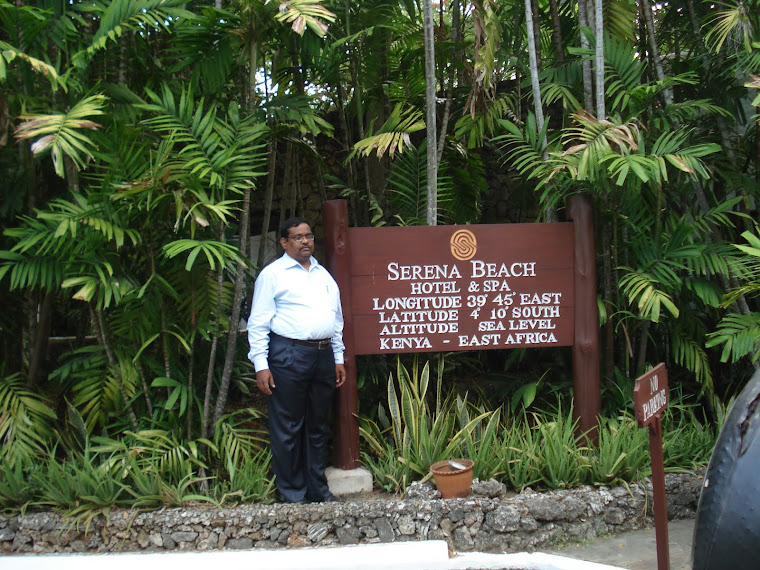
Gateway to the Southern Hemisphere

Gateway to the Southern Hemisphere